

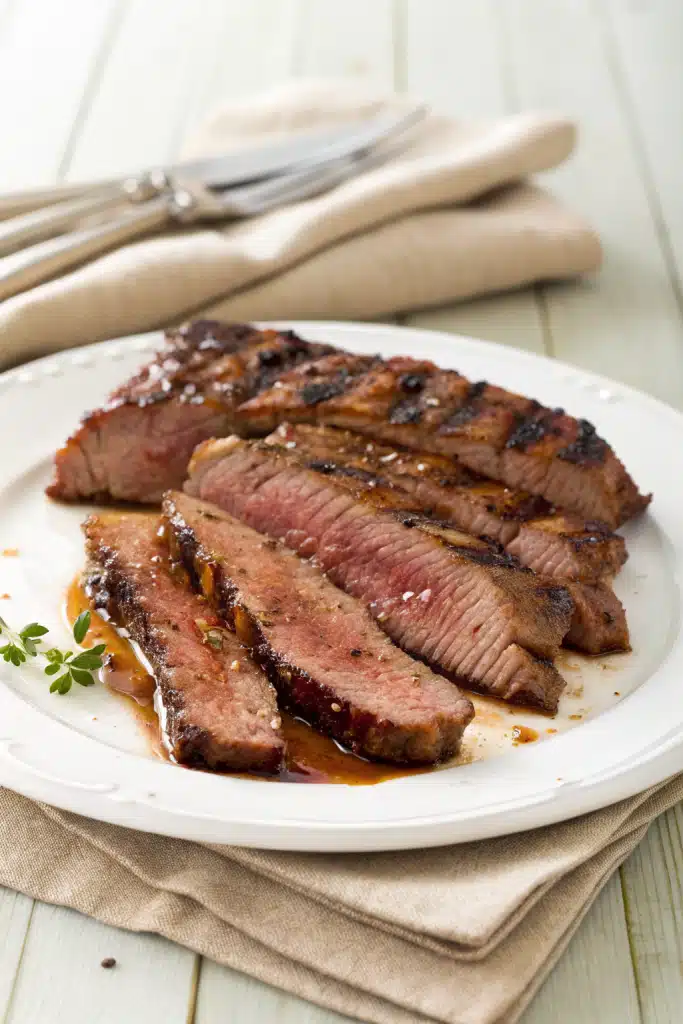
Flank Steak Marinade That Melts in Your Mouth
There’s nothing quite like a perfectly marinated flank steak—tender, juicy, and packed with flavor that just begs to be shared. Whether you’re grilling it for a backyard BBQ or searing it on the stovetop for a quick weeknight dinner, this flank steak marinade is your secret weapon. It’s not just about throwing some salt and pepper on meat (though we love those, too). This recipe dives deep into balance: sweet, tangy, savory, and smoky notes all working together to transform lean flank steak into something truly unforgettable.
What Is Flank Steak Marinade?
At its core, a flank steak marinade is a liquid solution—usually made from a mix of acidic ingredients (like vinegar or citrus juice), oil, aromatics, and seasonings—that infuses flavor into the meat and helps tenderize it. Flank steak itself is a long, flat cut from the abdominal area of the cow; it’s lean and full of beefy flavor, but can get tough if overcooked or not prepared thoughtfully. That’s where the magic of marinating comes in.
The best marinades for flank steak use ingredients that both tenderize and flavor. Acidic components like red wine vinegar or lime juice help break down fibers, while oils carry fat-soluble flavors and keep the meat moist. Herbs, garlic, soy sauce, and even a touch of honey create layers of taste that penetrate deep into the muscle. When done right, your flank steak won’t just taste good—it’ll practically fall apart at the sight of your knife and fork.
Why You’ll Love This Recipe
This particular flank steak marinade has become one of my go-to recipes because it’s foolproof, versatile, and absolutely delicious. First off—it works every time. I’ve used this exact blend on countless steaks, and no matter how nervous I am about timing, the results are always restaurant-quality. The balance of umami from soy sauce and Worcestershire, brightness from lemon, sweetness from honey, and depth from garlic and herbs? Pure harmony.
Another reason this marinade shines is flexibility. You can make it ahead of time, double or triple the batch for future meals, and it travels well in the fridge. Plus, it pairs beautifully with almost any side dish—whether you’re going rustic with roasted potatoes and charred broccoli or keeping things light with a crisp arugula salad. And let’s be real: there’s something deeply satisfying about watching a simple piece of meat become extraordinary through thoughtful preparation.
I also love that this marinade doesn’t require fancy tools. No immersion blender needed, no specialty spices—just pantry staples you probably already have. It’s perfect for busy cooks who still want to serve up something impressive without spending hours in the kitchen. Just toss your steak in the bowl, give it a gentle massage, cover, and walk away. Dinner will thank you later.
How to Make Flank Steak Marinade
Quick Overview
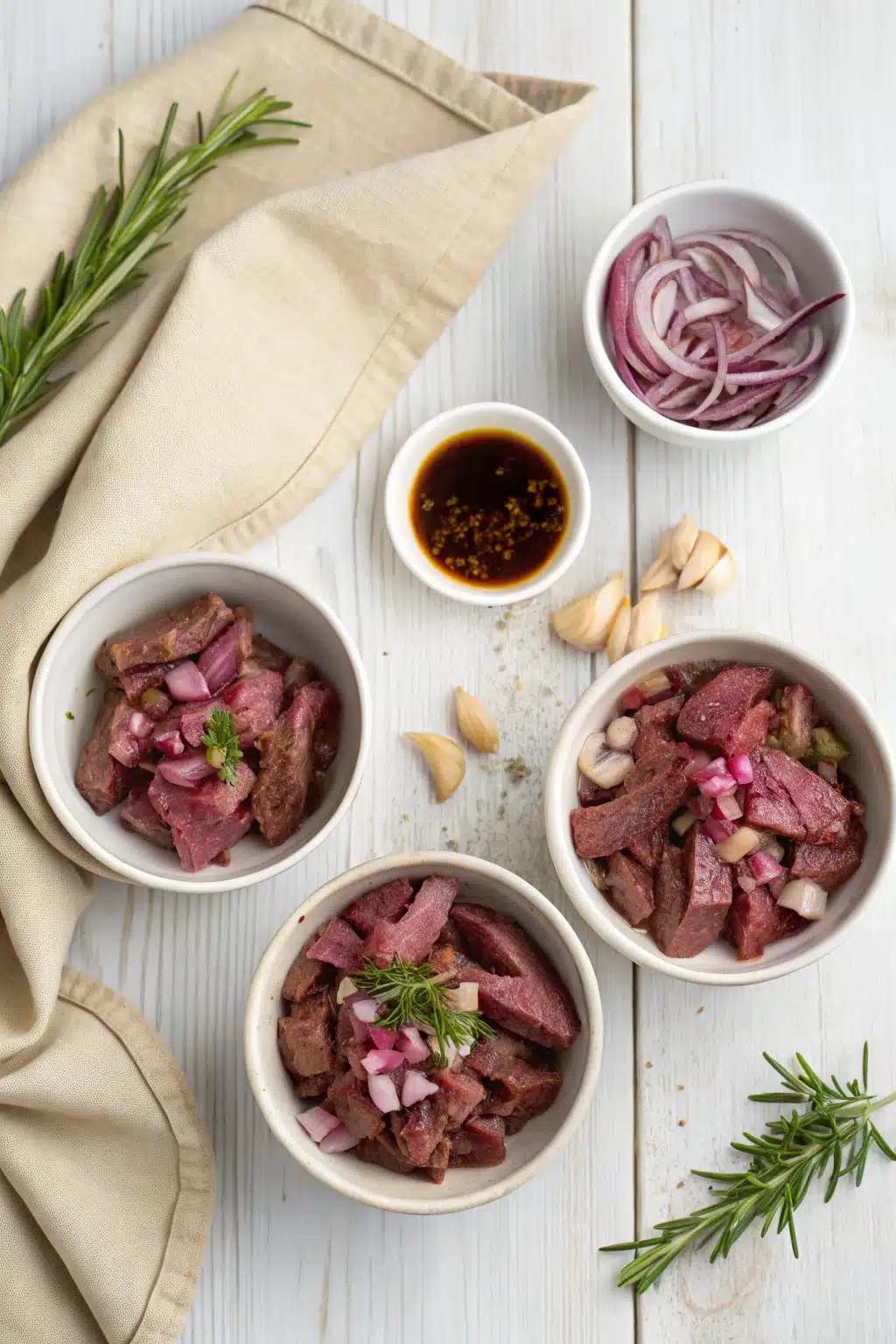
Making this flank steak marinade takes less than 10 minutes, and most of that is waiting! Start by whisking together olive oil, soy sauce, Worcestershire sauce, lemon juice, honey, garlic, rosemary, and black pepper. Pour over your flank steak, seal in a bag or airtight container, and refrigerate for at least 2 hours—or ideally overnight. Then, cook low and slow over medium heat or on a hot grill until internal temperature hits 130°F (medium-rare). Let rest 5–10 minutes before slicing against the grain. Simple, right?
Ingredients
- 1/2 cup extra-virgin olive oil
- 1/3 cup low-sodium soy sauce
- 3 tablespoons fresh lemon juice (about 1 lemon)
- 2 tablespoons honey
- 3 cloves garlic, minced
- 1 teaspoon dried rosemary (or 1 tablespoon fresh)
- 1/2 teaspoon freshly ground black pepper
- 1 whole flank steak (about 1½–2 pounds)
Step-by-Step Instructions
Step 1: Preheat & Prep Pan
If you’re using a skillet, heat it over medium-high heat until shimmering but not smoking. If grilling, preheat your grill to high (around 450°F). While the heat builds, pat your flank steak dry with paper towels—this ensures a better sear later.
Step 2: Make the Marinade
In a large bowl or jar, whisk together olive oil, soy sauce, lemon juice, honey, garlic, rosemary, and black pepper until smooth and emulsified.
Step 3: Marinate the Steak
Add the flank steak to the marinade, turning to coat completely. Transfer to a resealable plastic bag or airtight container, pressing out excess air. Refrigerate for at least 2 hours, preferably 4–12 hours. The longer it sits, the more flavorful it becomes!
Step 4: Cook to Perfection
Remove steak from fridge 30 minutes before cooking to bring it closer to room temp. Sear in the hot pan or on the grill for 5–7 minutes per side for medium-rare (internal temp of 130°F). For medium, aim for 140°F. Avoid moving the steak too much during cooking to develop a nice crust.
Step 5: Rest & Slice
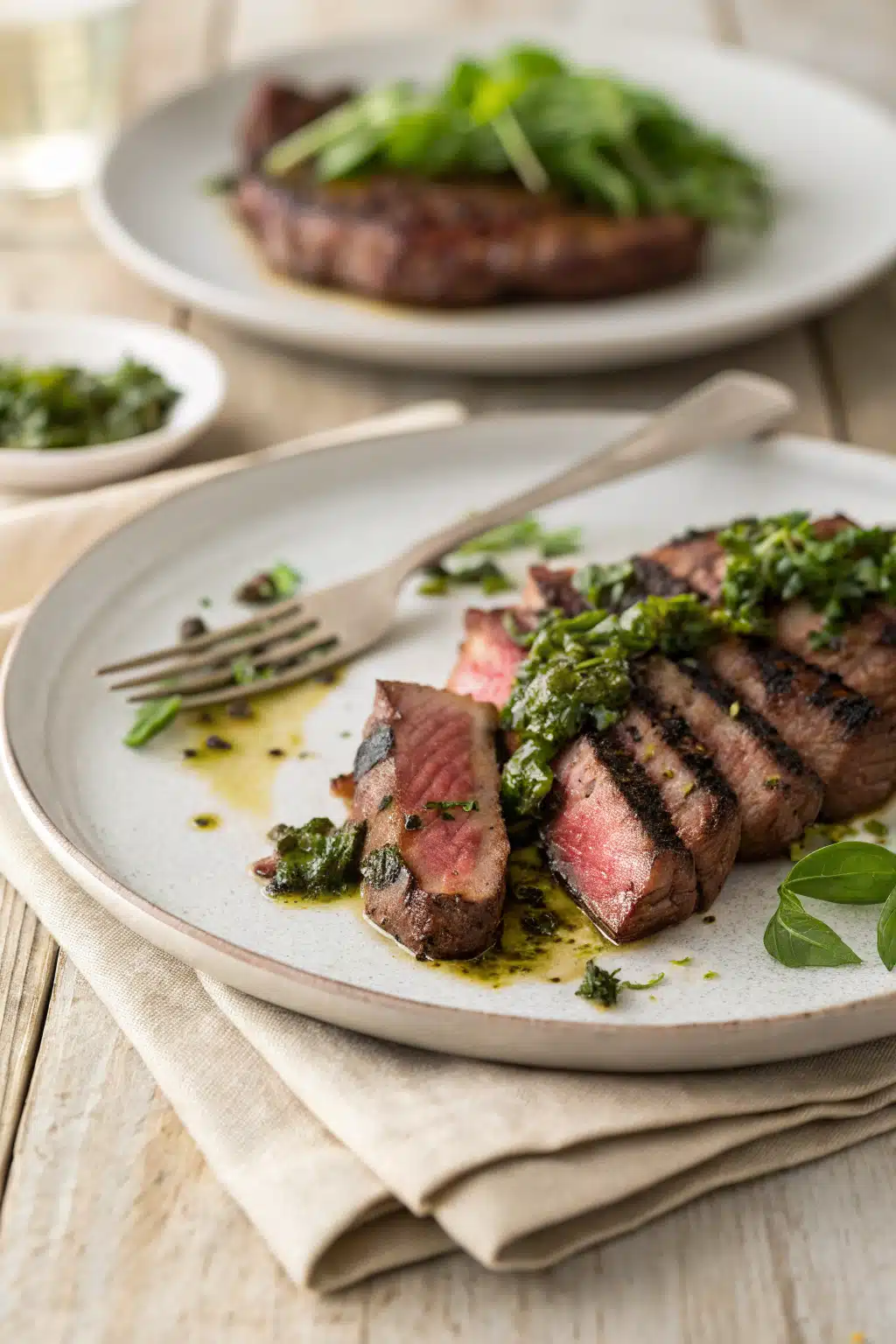
Transfer cooked steak to a cutting board and tent loosely with foil. Let rest 5–10 minutes—this allows juices to redistribute. Then, slice very thinly across the grain (at a slight diagonal) for maximum tenderness.
What to Serve It With
This flank steak marinade brings bold flavors that pair wonderfully with hearty sides. Think garlic mashed potatoes, herbed quinoa, or creamy polenta. Fresh garden salads with citrus vinaigrette cut through the richness beautifully. If you’re feeling adventurous, try serving it in tacos with avocado crema and pickled onions—yes, really! Leftovers also make amazing sandwiches when piled high on ciabatta with caramelized onions.
Top Tips for Perfecting Your Flank Steak Marinade
- Don’t skip the acid: Lemon juice or vinegar tenderizes the meat naturally—skip it and you risk toughness.
- Slice against the grain: This is non-negotiable for tenderness. Look for the direction of the muscle fibers and cut perpendicular.
- Avoid over-marinating: More isn’t always better. Beyond 12 hours, acids can start breaking down the surface too much, making it mushy.
- Let it come to room temp: Cooking cold steak straight from the fridge leads to uneven doneness.
- Rest before slicing: Rushing this step means losing precious juices. Trust me—your steak will be drier without it.
Storing and Reheating Tips
Store leftover marinated (but uncooked) steak in the fridge for up to 3 days. Once cooked, flank steak keeps well in an airtight container for 3–4 days. To reheat, slice into strips and warm gently in a skillet over low heat with a splash of water or broth to prevent drying out. Microwave works in a pinch—just add a damp paper towel to trap moisture.
Frequently Asked Questions
Final Thoughts
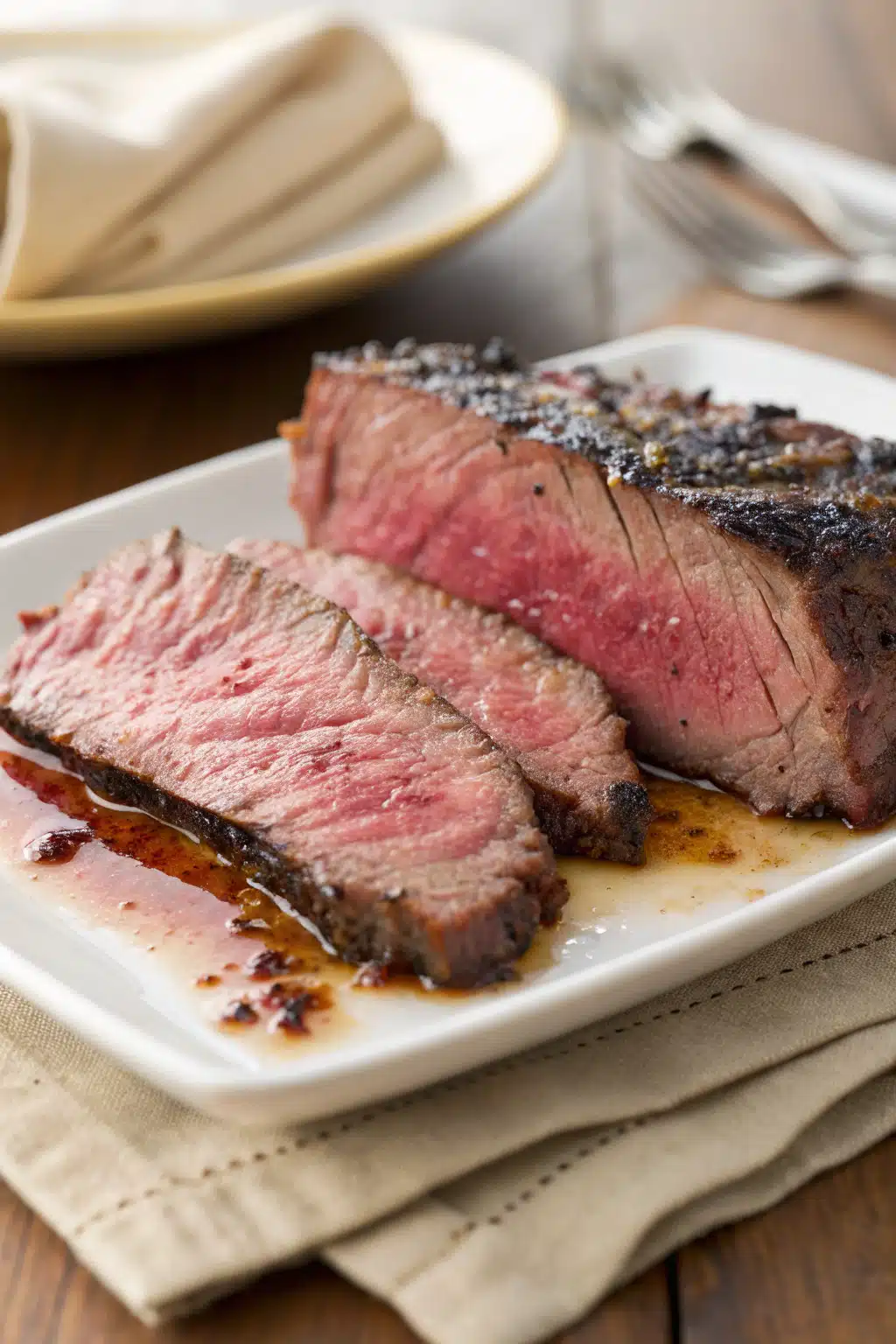
This flank steak marinade isn’t just another recipe—it’s your new kitchen MVP. It turns humble ingredients into something special, and it’s guaranteed to impress anyone you share it with. Whether you’re feeding a crowd or treating yourself, this method delivers consistent, mouthwatering results every single time. So go ahead—marinate with confidence, cook with care, and savor every bite. Your taste buds (and your guests) will thank you.

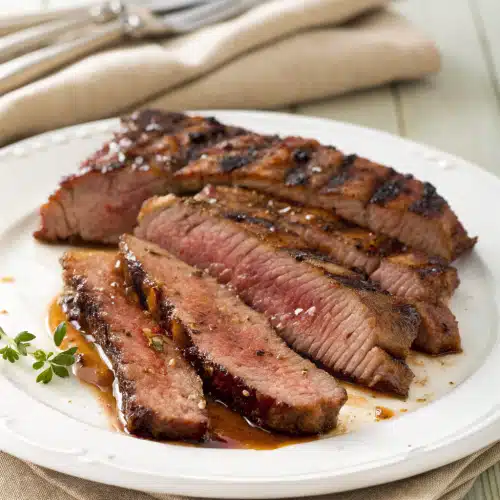
Flank Steak Marinade
Ingredients
Main Ingredients
- 0.25 cup soy sauce
- 2 tablespoon olive oil
- 2 tablespoon fresh lime juice
- 2 clove garlic minced
- 1 tablespoon honey
- 1 teaspoon ground cumin
- 0.5 teaspoon smoked paprika
- 0.25 teaspoon black pepper
- 0.25 teaspoon red pepper flakes optional
- 1.5 pound flank steak
Instructions
Preparation Steps
- In a medium bowl, whisk together soy sauce, olive oil, lime juice, minced garlic, honey, cumin, smoked paprika, black pepper, and red pepper flakes (if using) until well combined.
- Place the flank steak in a resealable plastic bag or shallow dish. Pour the marinade over the steak, ensuring it is fully coated. Seal the bag or cover the dish and refrigerate for at least 2 hours, preferably up to 8 hours for deeper flavor.
- Remove the steak from the refrigerator 30 minutes before cooking to bring it to room temperature. Preheat your grill or skillet over medium-high heat.
- Cook the steak for 4–5 minutes per side for medium-rare (internal temperature of 130°F / 54°C), or adjust time based on desired doneness. Avoid overcooking to keep the meat tender.
- Transfer the cooked steak to a cutting board and let it rest for 10 minutes before slicing against the grain into thin strips.