

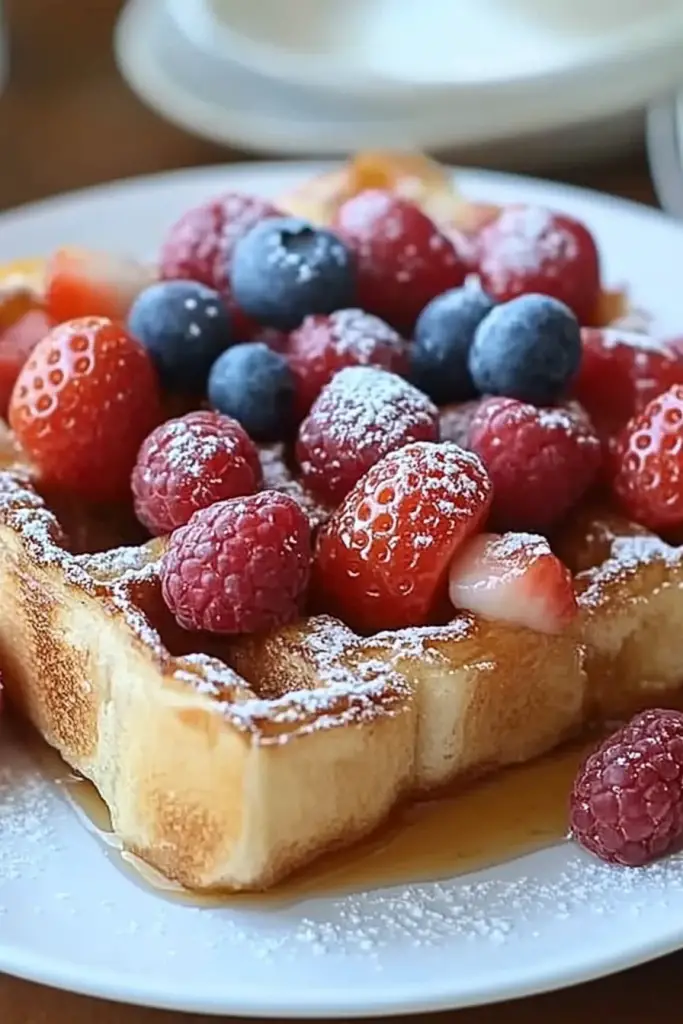
When I think back to Saturday mornings growing up, the kitchen smelled like cinnamon and melted butter, and I could hear my mom humming while the coffee brewed. This French Toast Casserole takes me right back there—but it’s grown-up enough to make on a busy weekday and cozy enough for Sunday mornings. It’s like the best parts of French toast and bread pudding had a friendly little baby, all warm and custardy, with a caramelized edge that makes the whole house smell incredible. I always do this when I’m hosting a crowd or when the week feels too short for a long, labor-intensive breakfast. You can prep it the night before, wake up, bake, and still have time to pour a second cup of coffee before anyone even asks for seconds. This one’s a lifesaver on busy nights, and my kids ask for this all the time—especially when there’s a holiday brunch on the calendar. The first bite always brings a little sigh of contentment, like you’ve just rewarded yourself for making the morning feel special.
What is French toast casserole?
Think of French Toast Casserole as the hands-off cousin of classic French toast. It’s essentially stale bread bathed in a vanilla-cinnamon custard, baked until the edges turn crisp and the center stays tender and creamy. The name says it all: you assemble the dish, refrigerate or let it soak overnight, then bake. It’s like a bread pudding that never asks you to stand at the stove flipping slices. My version leans into bread-forward texture—crumbly, with a soft interior—and it’s dressed up with a cream-cheese filling that swirls through in ribbons of tangy-sweet bliss. The result is a brimming, almost custard-hugged morning bake that’s forgiving enough to adapt with whatever bread you have on hand, from challah to brioche to sturdy white sandwich loaves. It’s also excellent for extravagant brunches or casual family breakfasts—the kind of dish that makes a crowd feel cared for without a ton of effort.
Why you’ll love this recipe?
What I love most about this French toast casserole is how it straddles sweet comfort and practical kitchen genius. It’s bursting with cinnamon and vanilla, the kind of aroma that makes you want to pour a cup of coffee and sit down at the table with a blanket and a crossword. The texture is the real star: wavy ribbons of creamy custard that soak through every bite, with a lightly caramelized top that provides a gentle crunch. And the filling—oozing Cream Cheese swirls—adds tang and a luxurious mouthfeel that keeps kids and grown-ups alike reaching for a second slice. It’s incredibly simple to assemble the night before, which is a dream when you’ve got people coming over or when you’re feeding a crowd before a game or a birthday party. The ingredients are friendly on a budget, and you can swap in what you’ve got without feeling like you’re compromising flavor. What I love most about this recipe is its versatility: switch up the fruit, swap in cocoa for a chocolatey version, or go lusciously simple with a maple glaze. It’s the kind of dish that earns “family favorite” status in a single bake, and it keeps delivering joy long after the last crumb is gone. If you’ve ever made overnight casseroles or baked French toast, you’ll recognize the same grocery-store-to-table magic here, but with a little extra soul and a lot more comfort.
How do you make French toast casserole?
Quick Overview
This French toast casserole is all about the soak, the swirl, and the bake. You’ll toss bread cubes with a sweet vanilla custard, whip up a creamy cream-cheese filling that you swirl through the center, then bake until the top is crisp and the middle remains soft and custardy. It’s forgiving: bread dries out a touch on the edges, the custard thickens to the perfect pour, and the glaze ties everything together with a glossy finish. The beauty is you can assemble most of it the night before, wake up, pop it in the oven, and have breakfast ready in under an hour. It smells like a holiday brunch without any fuss. The texture is light, not soggy, and the flavor hits that nostalgic cinnamon-sugar note with a touch of lemony brightness from the Cream Cheese filling. Trust me on this one—your kitchen will feel like a cozy cafe the moment it bakes.
Ingredients
For the Main Batter:
- 1 loaf day-old brioche or challah, cut into 1-inch cubes (about 8 cups)
- 6 large eggs
- 2 cups whole milk or 1 3/4 cups milk plus 1/4 cup heavy cream for extra richness
- 1 cup heavy cream or additional milk if you want a lighter version
- 1/2 cup granulated sugar
- 2 teaspoons vanilla extract
- 1 teaspoon ground cinnamon
- Pinch of salt
- Optional: 1/4 teaspoon ground nutmeg
For the Filling:
- 8 ounces Cream Cheese, softened
- 1/3 cup powdered sugar, plus more to taste
- 1 teaspoon vanilla extract
- 1 tablespoon lemon zest (optional for brightness)
- 1/2 cup fresh berries or frozen berries, chopped (optional)
For the Glaze:
- 1 cup powdered sugar
- 2-3 tablespoons milk or cream (adjust for desired drizzle)
- 1/2 teaspoon vanilla extract
- Pinch of salt
Step-by-Step Instructions
Step 1: Preheat & Prep Pan
Preheat your oven to 350°F (175°C). Butter a 9×13-inch baking dish generously, or line it with parchment for easy lifting later. If you’re using a glass baking dish, a light spray of nonstick makes sure you don’t end up wrestling with a stuck edge. I like to butter the bottom and sides and then give the dish a quick dusting of sugar—it helps the top crisp up nicely while adding a touch of caramel glaze as it bakes. If you’re prepping the night before, you can skip this step and do it in the morning before you bake, but trust me, a well-greased pan is worth a tiny extra effort.
Step 2: Mix Dry Ingredients
In a large bowl, whisk together the bread cubes, cinnamon, nutmeg (if using), and a pinch of salt. The idea is to evenly coat every cube; you don’t want pockets of dry flour or grainy sugar. If you’re using day-old bread, you’ll notice it drinks in the liquids more readily, which is exactly what you want for a custardy center. A quick toss with your hands helps soften any dense clumps and gets the bread ready to soak up all that goodness.
Step 3: Mix Wet Ingredients
In another bowl, whisk the eggs until they’re bright and uniform. Add the milk, cream, sugar, and vanilla, whisking again until the mixture looks smooth and evenly colored. It should smell like a cozy bakery—vanilla with a hint of cinnamon—and you’ll notice the mixture thickens slightly as the sugar dissolves. If you’re using lemon zest in the filling, whisk it in now so the citrus oils are evenly distributed.
Step 4: Combine
Pour the wet mixture over the dry, then give it a gentle stir to ensure every bread cube is moistened. The goal isn’t to drown the bread but to achieve a luxurious soak that makes each bite tender. Let this sit for 10–15 minutes if you’ve got the time; a longer soak equals more custardy richness. If you’re short on time, you can skip this step, but you’ll miss out on that deeper, more cohesive texture.
Step 5: Prepare Filling
Meanwhile, in a separate bowl, beat the cream cheese with powdered sugar, vanilla, and lemon zest until smooth and swirly. If your berries are frozen, give them a quick chop and a light dusting of flour to prevent excess moisture from making the filling runny. A few spoonfuls of the filling should go into the center of the bread in a few spots—think marbled pockets—so every slice gets a hit of creamy tang. You can also skip the swirl and simply dollop the filling on top of the bread before pouring the batter; it will still be delicious, just with a slightly different texture.
Step 6: Layer & Swirl
Spread half the soaked bread in the baking dish. Drop dollops of the cream cheese filling across the surface, then scatter berries if you’re using them. Top with the remaining soaked bread. If you want a dramatic marbled effect, use a skewer or knife to swirl the filling through the bread like you’re gently weaving a tapestry. It looks fancy, but it’s incredibly forgiving—just a few soft swirls do the trick. Let everything sit for a few minutes so the bread can absorb a little more custard from the top layer.
Step 7: Bake
Bake for 45–55 minutes, or until the center is puffed and set and the edges are golden brown. If your oven runs hot, check at 40 minutes with a gentle jig: the center should spring back slightly but still have a soft, custardy center. If the top browns too quickly, tent the dish with foil for the last 10–15 minutes. A gentle shake of the pan should reveal a barely wobbly center—that’s how you know you’ve nailed it. Let the casserole rest for about 10 minutes to set before glazing; this makes slicing cleaner and the flavors more harmonious.
Step 8: Cool & Glaze
While the bake rests, whisk together the glaze ingredients until silky. The glaze should flow in ribbons; if it’s too thick, add a touch more milk. If it’s too thin, whisk in a pinch more powdered sugar. Drizzle the glaze over warm slices or serve on the side for dipping. The glaze is optional, but I love the glossy sweetness it adds, especially as a finishing touch for guests who crave a little extra sweetness in the morning. If you’re not glazing, a dusting of powdered sugar and a squeeze of fresh maple syrup on top is equally delightful.
Step 9: Slice & Serve
Cut into generous squares, running a knife along the edges to help lift. Serve with extra berries, a dollop of whipped cream, or a maple-butter drizzle if you’re feeling indulgent. The first bite should be a perfect balance of creamy center and lightly crisp edges. My kids love this cut into big rectangles to hold in their hands—the way the cream cheese swirl melts into the eggy custard is their favorite moment. For guests, I like to present the dish with a small pitcher of warm maple syrup on the side so everyone can customize their sweetness level. It’s bound to disappear fast, especially when coffee is involved.
What to Serve It With
This French toast casserole isn’t picky about what it pairs with, which is part of its magic. It plays nicely with both coffee and bright, citrusy beverages. I often serve it with a simple fruit salad to add a crisp, fresh note that contrasts with the richness of the dish. For a more decadent brunch, I arrange a little cheese board nearby and pour sparkling juice or a mild, creamy latte. If you’re serving it as a dessert-style breakfast, a dollop of whipped cream and a few edible flowers make the presentation extra special. For a family-friendly cozy snack, warm it gently in the microwave and finish with a quick glaze drizzle. My family loves it with sliced peaches in the summer, or apples and cinnamon in the fall—the versatility is what keeps this recipe a staple on our table year after year. This dish shines on holiday mornings, but I reach for it most when I need comforting, go-to sweetness with minimal fuss.
Top Tips for Perfecting Your French toast casserole
[Expert advice organized by technique:]
Bread Prep: Use day-old brioche, challah, or a sturdy white loaf. The slight dryness helps the bread soak up the custard without turning soggy. If you’ve got fresh bread, toast the cubes for 8–10 minutes at 350°F to dry them out a touch before mixing with the custard. Cut bread into uniform 1-inch cubes so every bite bakes evenly, and consider a mix of textures—some crusty edges and some soft interiors. I’ve tested this with almond milk and it actually made it even creamier, especially when you add a touch of cream or coconut cream. If you’re dairy-free, coconut milk and a neutral oil can work with a bit more vanilla and a pinch of cardamom for warmth.
Mixing Advice: Don’t overmix the wet and dry after they’re combined. A light fold or gentle stir is enough to wet every crumb without turning the mixture soupy. If you soak too long, the bread can become overly soft and deflate in the oven. Letting it soak too long also risks a gap between the top and center when baking. I like to soak 10–15 minutes, then press down gently with a spatula to ensure marinade is evenly distributed. If you’re short on time, skip the lengthy soak and still get a comforting bake, just expect a slightly firmer texture.
Swirl Customization: The cream cheese filling is what makes this dish special. For a softer swirl, beat the filling until smooth, then drizzle in a zigzag pattern across the bread layer. Use a skewer or knife to lightly twist the surface and create marbled ribbons. If you want a fruit-forward swirl, swirl in some lemon zest and a few spoonfuls of jam or compote. For a more vanilla-forward version, skip the lemon and rely on extra vanilla and a touch of nutmeg for warmth.
Ingredient Swaps: If you’re avoiding dairy, swap in almond or oat milk with 1/2 cup heavy coconut cream; the result is still luscious. For a gluten-free version, use a sturdy gluten-free bread and a slightly longer soak to compensate for the bread’s crumb. You can substitute cream cheese with ricotta for a lighter tang, or use marscapone for more richness, keeping the sugar balanced to avoid overpowering the dish. If you want a chocolatey twist, add 2 tablespoons of cocoa powder to the batter and fold in mini chocolate chips.
Baking Tips: Bake in the center of the oven to ensure even heat distribution. If your oven has hot spots, rotate the pan halfway through. Cover the top with foil if the edges brown too quickly. The internal temperature should reach about 165°F (74°C) for a perfectly set custard center. If you’re making this ahead, you can refrigerate the assembled dish overnight and bake it in the morning; just give it a 15–20 minute longer bake time to compensate for the chill. If you’re in a hurry, a partial bake for 25–30 minutes, then a quick finish with a broil or high heat moment can give you a delightfully crisp edge in less time.
Glaze Variations: The glaze is optional but it’s a year-round joy. For a maple-pecan vibe, add a tablespoon of maple syrup and a pinch of chopped toasted pecans to the glaze. For a citrusy counterpoint, swap 1 tablespoon of the milk for orange juice and add a few drops of orange zest. If you prefer a simple dusting instead of a glaze, a light snow of powdered sugar with a tiny pinch of cinnamon works beautifully. Whatever you choose, glaze while the casserole is still warm but not scorching hot; this helps it cling and set in a thin, glossy layer rather than sliding off in a puddle.
[Share personal “lessons learned” and tested modifications. 300-350 words.]
Storing and Reheating Tips
This bake stores well, which is part of its charm. You can make it on Sunday and reheat portions through the week, or keep a portion ready for a quick holiday brunch. Here’s how I manage leftovers and freshness.
Room Temperature: If you plan to eat it within a few hours, you can keep slices covered on the counter for a couple of hours. After that, it’s best to refrigerate to maintain creaminess and prevent any dairy from going off. In a pinch, a warm slice on the toaster or in a skillet can revitalize the flavors quickly.
Refrigerator Storage: Store the baked casserole in an airtight container for up to 3 days. If you’ve glazed it, keep the glaze separate and add just before serving to preserve texture. Reheat slices in the microwave in short bursts (15–20 seconds) to avoid drying, or reheat in a 350°F oven for 10–15 minutes until warmed through and the top is lightly crisped again.
Freezer Instructions: This is a wonderful make-ahead dish to freeze before baking. Assemble, wrap tightly, and freeze for up to 2 months. Thaw overnight in the fridge, then bake as directed, adding 5–10 minutes to the bake time to account for the chill. For the best texture after freezing, you can freeze just the assembled uncooked dish and bake from frozen, covered, for 60–75 minutes, uncovering for the last 10–15 minutes to finish browning.
Glaze Timing Advice: If you’re freezing, you might skip the glaze and add it fresh after reheating. If you glaze before freezing, it’s still fine, but the glaze may soften on the surface once reheated. I typically glaze just before serving for the best glossy finish and crisp contrast.
Frequently Asked Questions
Final Thoughts
I keep coming back to this French toast casserole because it feels like a hug you can bake. It’s forgiving, generous, and always a crowd-pleaser without demanding all your attention in the morning. It’s a dish that travels well to family gatherings, car trips, or simply a weekend when you want the table to feel special without spending hours in the kitchen. If you’re new to it, start with a loaf you love and a cream cheese filling you adore—the rest will fall into place. If you’re a seasoned baker, you’ll love how easy it is to customize with seasonal fruit, different breads, or alternate toppings. Either way, this recipe invites you to slow down, savor the moment, and share something warm with the people you love. Happy baking! And please, tell me in the comments how you customized your crust, fillings, or glaze—I always learn new twists from readers like you.

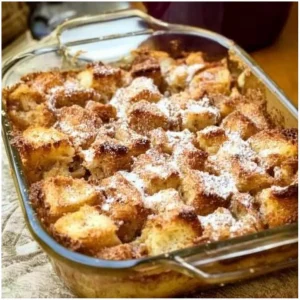
French toast casserole
Ingredients
Main Ingredients
- 1 loaf brioche or challah bread cut into 1-inch cubes
- 8 large eggs
- 2.5 cups whole milk
- 0.5 cup heavy cream
- 0.75 cup granulated sugar divided use
- 1 tablespoon vanilla extract
- 2 teaspoons ground cinnamon divided use
- 0.25 teaspoon ground nutmeg
- 0.5 teaspoon salt
- 0.5 cup unsalted butter melted, plus extra for greasing
Topping
- 0.25 cup brown sugar light or dark
- 0.25 cup chopped walnuts or pecans optional
Instructions
Preparation Steps
- Preheat oven to 350°F (175°C). Lightly grease a 9x13-inch baking dish with butter.
- Spread bread cubes evenly in the prepared baking dish.
- In a large bowl, whisk together eggs, milk, heavy cream, 0.5 cup sugar, vanilla extract, 1.5 teaspoons cinnamon, nutmeg, salt, and melted butter until smooth.
- Pour the custard mixture evenly over the bread. Gently press down on the bread to ensure it absorbs the custard. Let sit for 10 minutes.
- In a small bowl, mix remaining 0.25 cup sugar with 0.5 teaspoon cinnamon and brown sugar. Sprinkle this mixture evenly over the top, along with nuts if using.
- Bake uncovered for 45 to 50 minutes, or until the top is golden brown and a knife inserted in the center comes out clean.
- Let cool for 5–10 minutes before serving. Serve warm with maple syrup, fresh berries, or powdered sugar on top.