

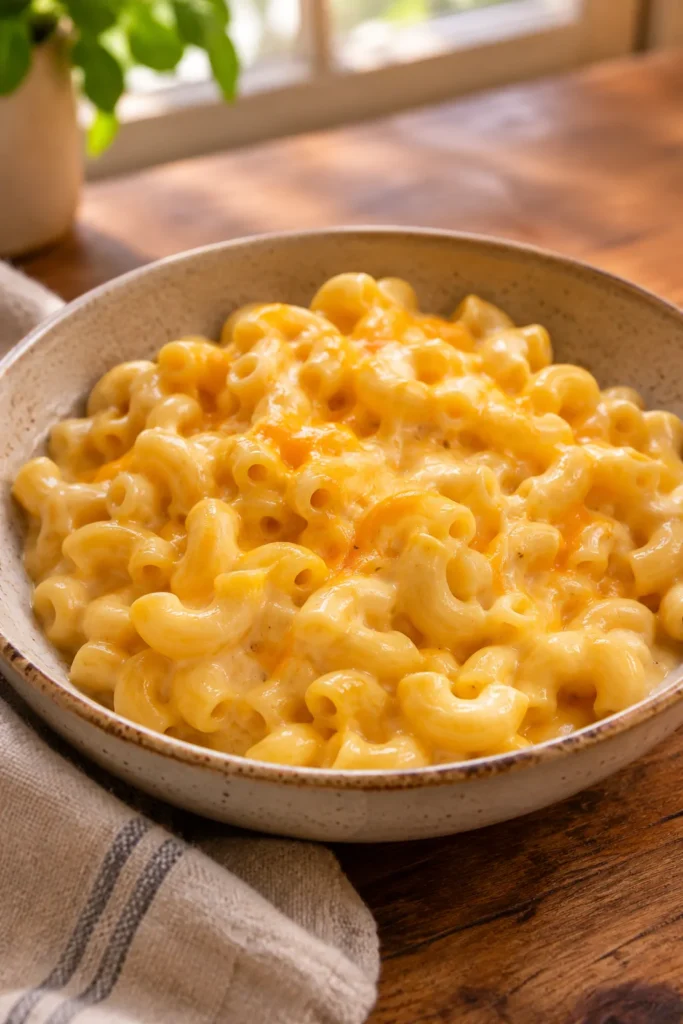
Stovetop mac and cheese is the kind of dinner that earns its place in a busy week: tender elbow pasta is folded into a silky cheese sauce made in one pan, with no oven time or complicated finish. This version balances sharp, savory cheese with milk and cream, while a little warm water keeps the sauce glossy instead of stiff. It is ready in about 30 minutes and works equally well as a comforting main dish or a generous side.
What makes stovetop mac and cheese creamy
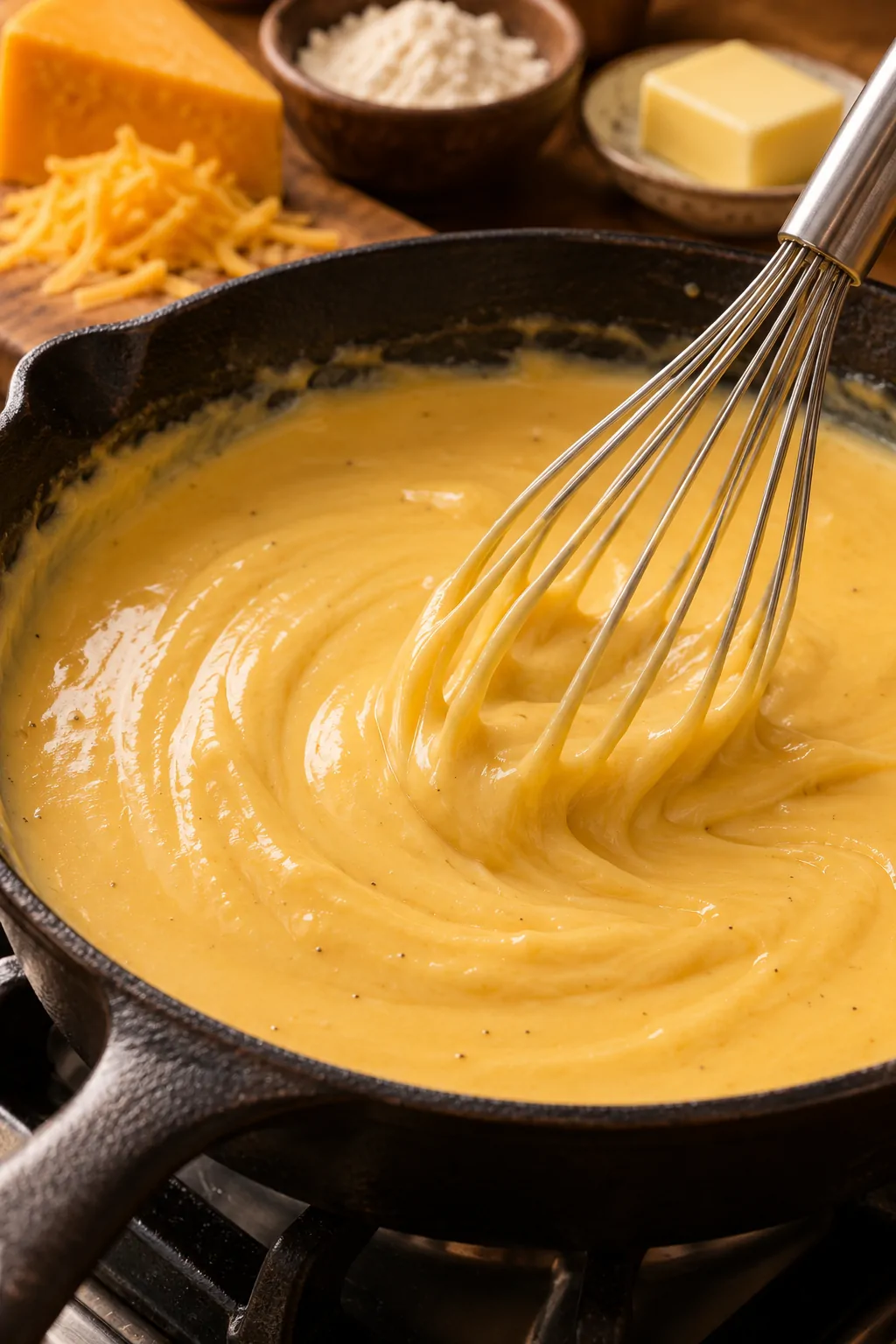
The texture comes from a simple butter-and-flour base whisked with milk and cream. The flour gives the sauce enough body to cling to every curve of the macaroni, while the cream adds richness. Turning off the heat before adding the grated cheese is important: the sauce stays hot enough to melt it but is less likely to become grainy from vigorous boiling.
Why this recipe works
This method separates the jobs that make a cheese sauce reliable. The roux thickens the liquid, gradual whisking prevents lumps, and the cheese melts into a warm sauce instead of a boiling one. The final warm water adjustment gives you control over the finish, which matters because pasta absorbs sauce quickly. That combination produces a creamy bowl with a smooth, spoon-coating texture and no baking step.
Ingredients
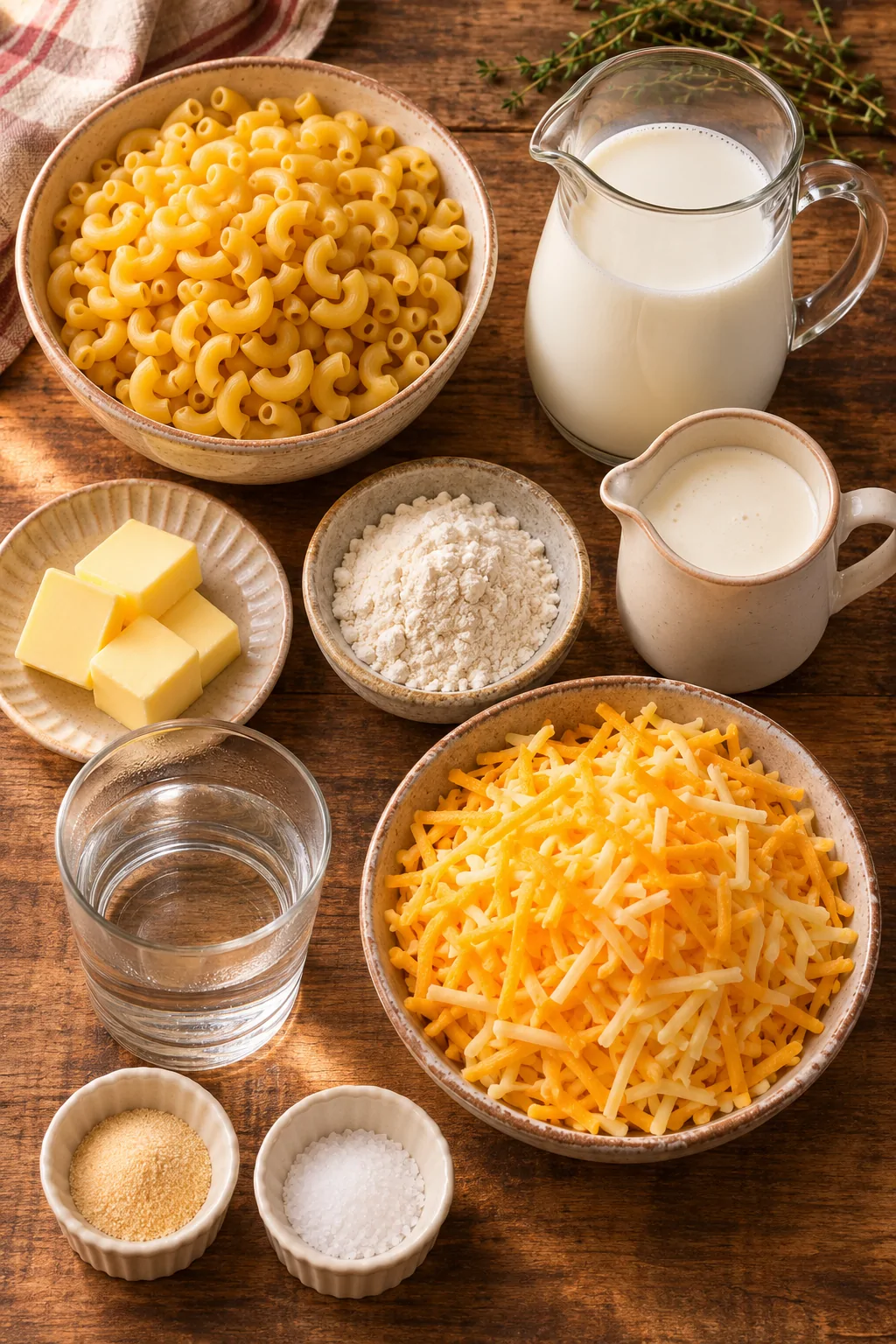
Gather 1 pound elbow macaroni, 4 tablespoons salted butter, 3 tablespoons all-purpose flour, 1/2 teaspoon optional onion powder, 1/2 teaspoon kosher salt, 2 1/2 cups 2% milk, 1/2 cup heavy cream, 3 1/2 cups grated cheese, and 1/2 to 3/4 cup warm water for loosening the finished sauce.
How to make stovetop mac and cheese
- Cook the elbow macaroni according to package directions in salted water. Drain and set aside.
- Melt the butter over medium-low heat in a large skillet or Dutch oven. Whisk in the flour and let it bubble for 2 to 3 minutes. Add onion powder and salt.
- Slowly whisk in the milk, adding it 1/2 cup at a time until the sauce is smooth and thickened.
- Add the heavy cream and simmer until smooth and lightly thickened. Turn off the heat.
- Stir in the grated cheese until melted. Return to low heat briefly only if needed.
- Add the noodles and stir to coat. Add warm water a little at a time to reach the desired consistency, then serve immediately.
Serving ideas
Serve it in shallow bowls so the sauce stays evenly distributed. A crisp green salad, roasted broccoli, steamed peas, or sliced tomatoes gives the rich pasta a fresh contrast. It also makes a dependable side for roasted chicken or glazed vegetables.
The sauce should look fluid when it leaves the pan because the noodles continue absorbing moisture as they sit. If you are timing the meal around another dish, finish the pasta last and have the serving bowls ready. A wide skillet makes it easier to whisk the roux smoothly and to fold in the macaroni without crushing the noodles. For a milder family-friendly flavor, use more mild cheddar; for extra savory depth, keep some Gruyere in the blend.
Tips and optional variation
Grate the cheese before starting so it melts quickly and evenly. The best doneness cue is a sauce that coats the spoon and flows slowly back into the pan. If the pasta tightens while standing, loosen it with a splash of warm water rather than cold liquid.
Optional variation: Use a blend of mild cheddar and Gruyere for a nutty, rounded flavor, or choose straight cheddar for a more familiar profile. Keep the total cheese amount the same so the sauce balance remains reliable.
Storage and reheating
Refrigerate leftovers in a covered container for up to 3 days. Reheat gently in a saucepan or microwave with a spoonful of milk or water, stirring often. Stop heating as soon as the pasta is hot; prolonged high heat can make the cheese sauce tighten.
For the best leftover texture, portion the mac and cheese while it is still warm and keep it covered so the surface does not dry out. When reheating on the stovetop, use low heat and stir from the edges toward the center. A small splash of milk restores looseness gradually, while too much liquid at once can make the sauce thin before the pasta has warmed through.
Quick answers
How do you keep stovetop mac and cheese creamy? Add the cheese off the heat and use warm water to adjust the consistency before serving.
What cheese is best for homemade mac and cheese? Mild cheddar and Gruyere make a balanced blend, but cheddar alone also works well.
Can you make it ahead? It is best immediately, though leftovers reheat well with a little added liquid.
Stovetop mac and cheese FAQs

With a smooth sauce, tender noodles, and a flexible cheese blend, this stovetop mac and cheese is a practical comfort-food recipe to keep in rotation.
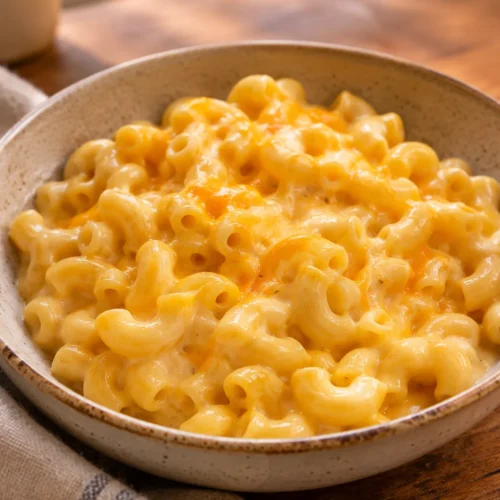
Creamy Stovetop Mac and Cheese
Adjust the serving amount to scale the ingredient list. Written quantities in the steps refer to the original recipe; adjust them in the same proportion. Timing may vary with batch size.
Ingredients
Ingredients
- 1 lb elbow macaroni
- 4 tablespoons salted butter
- 3 tablespoons all-purpose flour
- 1/2 teaspoon onion powder
- 1/2 teaspoon kosher salt
- 2 1/2 cups 2% milk
- 1/2 cup heavy cream
- 3 1/2 cups grated cheese about 16 ounces; mild cheddar and Gruyere work well
- 1/2 to 3/4 cup warm water as needed at the end
Instructions
Instructions
- Cook the elbow macaroni according to package directions in salted water. Drain and set aside.
- Melt the butter over medium-low heat in a large skillet or Dutch oven. Whisk in the flour and let it bubble for 2 to 3 minutes. Add onion powder and salt.
- Slowly whisk in the milk, adding it 1/2 cup at a time until the sauce is smooth and thickened.
- Add the heavy cream and simmer until smooth and lightly thickened. Turn off the heat.
- Stir in the grated cheese until melted. Return to low heat briefly only if needed.
- Add the noodles and stir to coat. Add warm water a little at a time to reach the desired consistency, then serve immediately.