

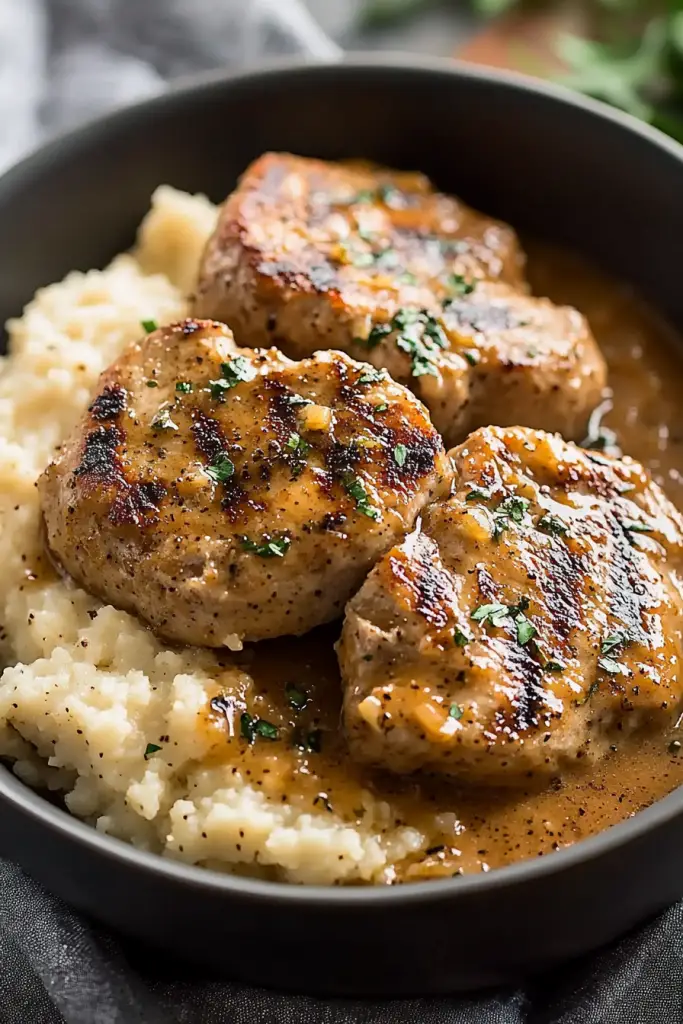
You know, there are some recipes that just feel like coming home. For me, this Caribbean pork shoulder roast is absolutely one of them. It’s that dish I whip up when I need something deeply comforting, something that fills the house with the most incredible aroma, and something that makes everyone at the table feel a little bit special. It’s got that perfect balance of sweet, savory, and a touch of spice that just screams sunshine and good times, even on the dreariest of days. I remember the first time I tried to replicate a taste from a little island vacation years ago, and after a few experiments, this version is the one that finally nailed it. It’s become our family’s absolute favorite way to prepare pork, and honestly, it’s a lifesaver on those nights when I want something impressive without spending all day in the kitchen. Forget those dry, bland roasts you might have had; this Caribbean pork is moist, tender, and absolutely packed with flavor. It’s seriously a game-changer, and I can’t wait to share it with you!
What is Caribbean Pork Shoulder Roast?
So, what exactly *is* this magical Caribbean pork shoulder roast? Think of it as a slow-cooked marvel where a humble cut of pork shoulder (often called Boston butt or pork butt) gets transformed into something utterly spectacular. It’s all about the marinade and the slow, gentle cooking process. We’re talking about infusing tender pork with the vibrant flavors of the Caribbean – think zesty lime, sweet Brown Sugar, aromatic allspice, a hint of fiery scotch bonnet pepper (if you’re brave!), and other fragrant spices. It’s not about being overly complicated; it’s about letting those beautiful ingredients work their magic. The “roast” part just means we’re cooking it whole, allowing the meat to become incredibly succulent and tender, practically falling apart at the touch of a fork. It’s the kind of dish that looks fancy but is surprisingly simple to pull off, making it perfect for everything from a weeknight family dinner to a weekend gathering with friends.
Why you’ll love this recipe?
Oh, where do I even begin with why this Caribbean pork shoulder roast is such a winner? First off, the flavor. It’s just out of this world! You get this incredible sweet and savory profile with a hint of spice that dances on your tongue. The lime and Brown Sugar create this beautiful caramelization on the outside, while the inside stays incredibly juicy and infused with all those wonderful spices like allspice, thyme, and a touch of cinnamon. It’s complex without being fussy. And the simplicity? That’s a huge one for me. Once it’s in the oven, you can practically forget about it for hours. It’s a “set it and forget it” kind of meal, which is a lifesaver for busy weeknights or when you’re entertaining and want to spend time with your guests instead of being glued to the stove. Cost-efficiency is another big win. Pork shoulder is a wonderfully economical cut of meat that, when cooked properly, yields incredible results. You get so much deliciousness for your buck! Plus, this dish is ridiculously versatile. It’s fantastic shredded for tacos or sandwiches, sliced for a more formal meal, or even served alongside rice and beans. It truly stands on its own, but it also plays well with so many other dishes. What I love most about this recipe is that it feels like a hug in a meal. It’s hearty, warming, and just makes everyone happy. It’s miles beyond your average pork roast, and I think you’ll find it’s just as easy, if not easier, than making something like a simple pot roast, but with so much more personality and flavor!
How do you make Caribbean Pork Shoulder Roast?
Quick Overview
This recipe is all about building layers of flavor and letting time do the heavy lifting. We’ll start by marinating a beautiful pork shoulder to really tenderize and infuse it with those incredible Caribbean spices. Then, it’s a slow roast in the oven until it’s fall-apart tender. Finally, we’ll shred or slice it and serve it up with its own luscious juices. The magic is in the low and slow cooking, which breaks down the connective tissues in the pork, making it unbelievably moist and tender. It’s truly straightforward, and the results are so worth it.
Ingredients
For Pork Shoulder Marinade:
A good-sized pork shoulder roast (about 3-4 pounds). Look for one with a decent fat cap – that’s where a lot of the flavor and moisture comes from! If it’s too lean, it can sometimes dry out a bit. I usually trim off any excess hard fat but leave a good layer.
1/2 cup fresh lime juice. Fresh is key here; bottled just doesn’t have the same zing.
1/4 cup soy sauce. For that salty, umami depth.
1/4 cup packed light brown sugar. This helps with caramelization and sweetness.
2 tablespoons olive oil. To help distribute the flavors.
4 cloves garlic, minced. Because, well, garlic.
1 tablespoon grated fresh ginger. Adds a lovely warmth and zest.
1 teaspoon ground allspice. This is non-negotiable for that classic Caribbean flavor!
1 teaspoon dried thyme.
1/2 teaspoon ground cinnamon. Just a whisper to add complexity.
1/4 teaspoon cayenne pepper (or more, to taste). For a gentle warmth.
1/2 teaspoon salt.
1/4 teaspoon Black Pepper.
For Roasting:
1 large onion, sliced. It adds a wonderful sweetness as it roasts with the pork and makes a fantastic base for the sauce.
2 sprigs fresh thyme.
1 bay leaf.
Optional for Heat (Use with Caution!):
1 scotch bonnet pepper, stemmed and pierced a few times with a knife. This will pack a punch! If you’re sensitive to heat, you can omit it or just use a small sliver. Be very careful when handling these peppers – wear gloves!
Step-by-Step Instructions
Step 1: Preheat & Prep Pan
First things first, preheat your oven to 300°F (150°C). You want a nice, low temperature for slow cooking. Grab a sturdy oven-safe pot or Dutch Oven that can fit your pork shoulder snugly. If you don’t have a Dutch oven, a deep baking dish with a tight-fitting lid will work just fine. Scatter the sliced onion on the bottom of the pot. If you’re using the scotch bonnet pepper, place it amongst the onions. This creates a flavorful bed for the pork and helps keep it moist.
Step 2: Mix Dry Ingredients
In a small bowl, combine the brown sugar, ground allspice, dried thyme, ground cinnamon, cayenne pepper (if using), salt, and Black Pepper. Give it a good stir to make sure everything is evenly distributed. This little dry rub is going to add a wonderful dimension to the marinade.
Step 3: Mix Wet Ingredients
In a separate, larger bowl (big enough to hold your pork shoulder eventually!), whisk together the fresh lime juice, soy sauce, and olive oil. Then, add the minced garlic and grated fresh ginger. Stir it all up until it’s well combined. This is the base of our flavor-packed marinade.
Step 4: Combine
Add the dry spice mixture to the wet ingredients and whisk until the sugar is mostly dissolved. Now, place your pork shoulder roast into the bowl with the marinade. Use your hands to rub the marinade all over the pork, making sure to get into all the nooks and crannies. I always do this step with clean hands; it just feels more personal, you know? Let it marinate for at least 30 minutes at room temperature, or ideally, cover it and pop it in the fridge for anywhere from 2 hours to overnight. The longer it marinates, the more flavor it will absorb.
Step 5: Prepare Filling
This step is actually already covered in Step 1 where we prepared the bed of onions and the optional scotch bonnet. These aromatics will soften and release their juices during the slow cooking process, creating a fantastic flavor base and tenderizing the meat further.
Step 6: Layer & Swirl
Once your pork has marinated, take it out of the marinade and place it, fat-side up, on top of the onions in your Dutch oven or baking dish. Add the fresh thyme sprigs and bay leaf around the pork. Now, pour the remaining marinade over the top of the pork. Don’t worry about swirling anything; the magic happens as it cooks and the juices redistribute.
Step 7: Bake
Cover the pot tightly with its lid or secure it with a double layer of foil. Place it in the preheated oven. Now, this is where patience comes in. You’ll want to roast it for about 3 to 4 hours, or until the pork is incredibly tender and easily pulled apart with a fork. For a 3-4 pound roast, I usually aim for around 1 hour per pound, but it’s always best to go by tenderness rather than strict timing. You can start checking around the 3-hour mark.
Step 8: Cool & Glaze
Once the pork is tender, carefully remove the pot from the oven. Let the pork rest in its juices, still covered, for about 15-20 minutes. This is crucial for allowing the juices to redistribute throughout the meat. While it rests, you can skim off some of the excess fat from the surface of the cooking liquid if you like. For an optional glaze, you can carefully strain the cooking liquid into a saucepan, discard the solids, and reduce it over medium-high heat until it thickens into a beautiful glaze. Spoon this over the shredded or sliced pork just before serving.
Step 9: Slice & Serve
Carefully lift the pork out of the pot onto a cutting board. You can either shred it using two forks or slice it into thick, tender pieces. If you’ve reduced the juices, spoon that glorious glaze over the top. Serve it immediately while it’s hot and juicy. The smell alone will have everyone gathering around!
What to Serve It With
This Caribbean pork is so versatile, it’s a dream to pair with all sorts of sides, no matter the meal! For a casual breakfast, I love serving it shredded over some crispy fried plantains or with a side of simple scrambled eggs and a slice of toasted sweet bread. It’s just hearty enough to kickstart the day. When we do brunch, it feels extra special. I’ll often serve it alongside a vibrant pineapple salsa, some coconut rice, and maybe even some grilled pineapple skewers. It adds a beautiful, tropical flair that everyone raves about. As a dessert, it sounds odd, but a small, intensely flavored portion alongside something like a rich, dark chocolate mousse can be surprisingly sophisticated – the savory notes of the pork cut through the sweetness beautifully. But honestly, my favorite way for a cozy snack or a relaxed dinner is just piled high on soft slider buns with a little bit of that rich cooking liquid drizzled over it, maybe with some quick pickled red onions on the side. It’s pure comfort food! We also have a family tradition of serving it with a simple side of black beans and rice, a classic combination that’s always a winner. Another favorite is with some fried sweet plantains – the sweetness of the plantain with the savory pork is just divine. And, of course, a side of fresh coleslaw or a simple green salad helps balance out the richness.
Top Tips for Perfecting Your Caribbean Pork Shoulder Roast
Alright, let’s talk about making this pork absolutely perfect every single time. It’s not complicated, but a few little tricks can elevate it from great to absolutely unforgettable. For the pork shoulder itself, always choose a cut with a good amount of marbling and a fat cap. That fat is your best friend here; it renders down during the slow cook, basting the meat and keeping it incredibly moist and tender. Don’t be afraid of it! If your roast is unusually lean, you might want to add a little extra olive oil to the marinade or baste it more frequently during cooking. When it comes to marinating, I find that overnight is truly the sweet spot. The longer it sits, the deeper the flavors will penetrate. If you’re short on time, 2-4 hours is the minimum, but the depth of flavor won’t be quite the same. Don’t skip the step of searing the pork before slow roasting if you can! While this recipe focuses on slow roasting without searing, if you have the time and inclination, a quick sear on all sides in a hot pan before it goes into the oven adds an extra layer of flavor and a beautiful crust. When it comes to the scotch bonnet pepper, please be cautious! If you’re not used to spicy food, start with a very small piece or omit it altogether. The flavor is amazing, but the heat can be intense. Remember to wear gloves when handling them and wash your hands thoroughly afterward. For the slow cooking, low and slow is the mantra. Resist the urge to crank up the heat to speed things up; it will only result in tougher, drier meat. The 300°F temperature is perfect for breaking down the connective tissues gradually. I’ve learned that oven temperatures can vary wildly, so use a meat thermometer if you’re unsure. You’re looking for an internal temperature of around 195-205°F (90-96°C) for super tender, shreddable pork. My kids always ask for this when they’re home, and they’re picky eaters, so trust me on this one – it’s a crowd-pleaser! If you find your pork isn’t shredding easily, it might just need a little more time. Cover it back up and pop it back in the oven for another 30-60 minutes. When it comes to the sauce, if you want it a little thicker, you can strain it into a saucepan and reduce it over medium-high heat, as mentioned in the instructions. A little cornstarch slurry (1 tbsp cornstarch mixed with 2 tbsp cold water, then whisked into the simmering sauce) can also help thicken it quickly if needed.
Storing and Reheating Tips
This Caribbean pork is fantastic for leftovers, and thankfully, it stores and reheats beautifully. If you’ve got some wonderful cooked pork left over, the best way to store it is in an airtight container. At room temperature, it’s best to let it cool completely before refrigerating. Once cooled, it will keep well in the refrigerator for about 3 to 4 days. Make sure to keep it in a container that seals tightly to maintain its moisture. For longer storage, freezing is a great option. You can freeze the shredded or sliced pork in freezer-safe bags or containers for up to 2-3 months. If you freeze it, I highly recommend portioning it out so you only thaw what you need at any given time. When it comes to reheating, there are a few ways to go. If you’re reheating from the refrigerator, gently warming it on the stovetop over low heat with a splash of water or some of the reserved cooking juices is my preferred method. This helps to keep it moist and tender. You can also reheat it in the oven at a low temperature, around 300°F (150°C), covered, until heated through. For smaller portions, the microwave works too, just be sure to heat it in short bursts and stir to ensure even reheating. If you froze your pork, thaw it overnight in the refrigerator before reheating using one of the methods above. The glaze is best applied fresh. If you’ve made extra glaze, store it separately in the fridge and warm it gently before spooning over the reheated pork.
Frequently Asked Questions
Final Thoughts
I truly hope you give this Caribbean pork shoulder roast a try. It’s one of those recipes that feels like a culinary triumph without requiring you to be a master chef. The way the flavors meld together, the incredibly tender texture of the pork, and that comforting aroma that fills your kitchen – it’s just pure joy. It’s the kind of dish that makes weeknights feel like a special occasion and weekends feel even more relaxed. If you love this recipe and are looking for more flavor-packed pork dishes, you might also enjoy my [link to another pork recipe, e.g., Slow Cooker Pulled Pork] or my [link to a related Caribbean dish, e.g., Jerk Chicken]. They share that same spirit of bold flavors and satisfying meals. I can’t wait to hear what you think! Let me know in the comments below how yours turned out, and if you discovered any amazing variations. Happy cooking, my friends!

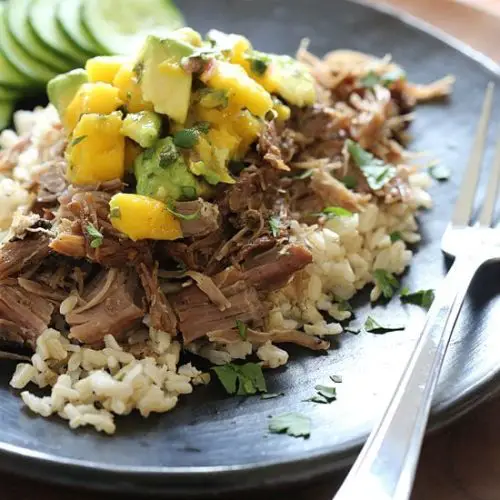
Caribbean Pork Roast
Ingredients
Pork
- 3 lb boneless pork shoulder blade roast lean, all fat removed
- 6 cloves garlic crushed
- 2 tbsp Jerk Seasoning
- 0.5 tsp coarse salt
- 1 lime squeezed
- 0.5 cup fresh orange juice
Caribbean Salsa
- 1 haas avocado diced
- 2 large ripe mangoes peeled, seeded and coarsely chopped
- 1.5 tbsp chopped red onion
- 1.5 tbsp chopped fresh cilantro
- 2 tbsp fresh lime juice
- salt and pepper to taste
Instructions
Preparation Steps
- Using a sharp knife, cut slits into the pork and stuff holes with half of the crushed garlic.
- Combine the remaining garlic, jerk seasoning, and salt. Rub all over pork. You may want to wear gloves.
- Place the pork in a large container. Pour the lime and orange juice over the pork. Cover and refrigerate for 5 hours or overnight, turning pork occasionally so the marinade covers all of it.
- The next morning, put everything from the container into the slow cooker. Cook on LOW for 9 hours.
- After 9 hours, remove the pork from the slow cooker and shred using two forks.
- Remove the liquid from the slow cooker and reserve.
- Add the shredded pork back to the slow cooker.
- Add about 1 cup of the reserved liquid back into the slow cooker with the pork. Taste and adjust for salt and pepper.
- Let it cook for an additional 15 minutes.
- Meanwhile, prepare the Caribbean salsa: combine all the salsa ingredients in a bowl. Season to taste with salt and pepper. Refrigerate the salsa until ready to serve.