

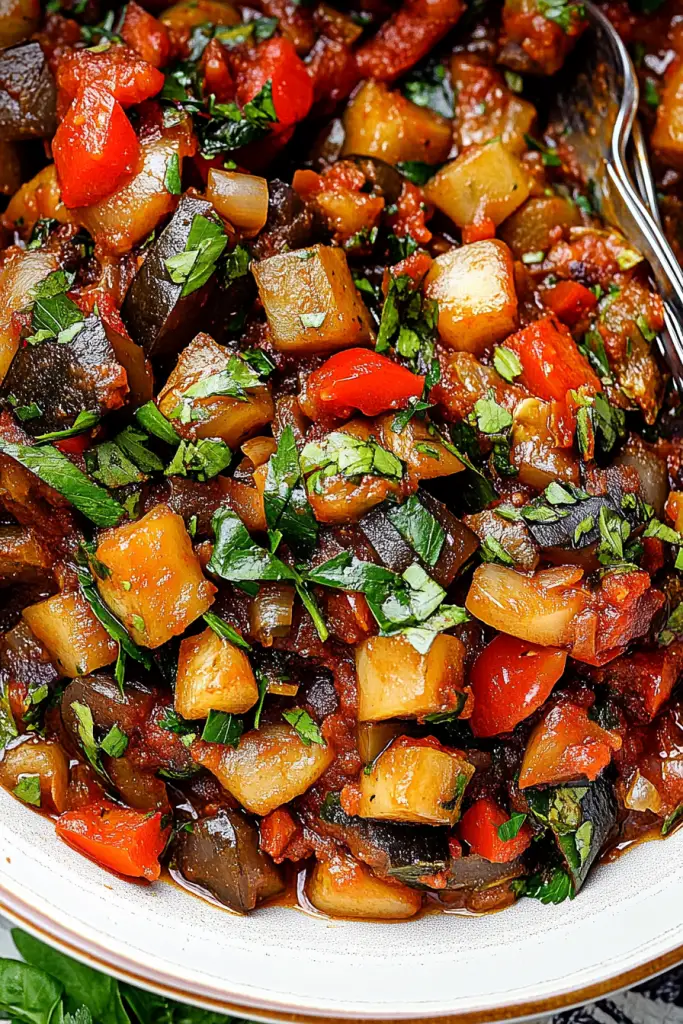
Oh my goodness, friend, let me tell you about a dish that completely swept me off my feet years ago and has been a staple in my kitchen ever since. You know how much I adore sharing recipes that bring genuine joy, and this one? This one is pure magic. Imagine a warm, sun-kissed afternoon in Sicily, the scent of ripe tomatoes and sweet basil dancing on a gentle breeze. That’s what this incredible Caponata tastes like. It’s vibrant, it’s comforting, and honestly, it’s just one of those recipes that makes you feel like a culinary genius, even on your busiest weeknights. I remember the first time I made it for my family – my son, who usually gives a skeptical poke to anything green, devoured it and asked for seconds! It’s got that beautiful balance of sweet and sour that just sings on your palate, kind of like a more sophisticated, incredibly flavorful ratatouille, but with its own distinct charm. Trust me, once you try this Caponata, you’ll understand why it holds such a special place in my heart.
What is a caponata?
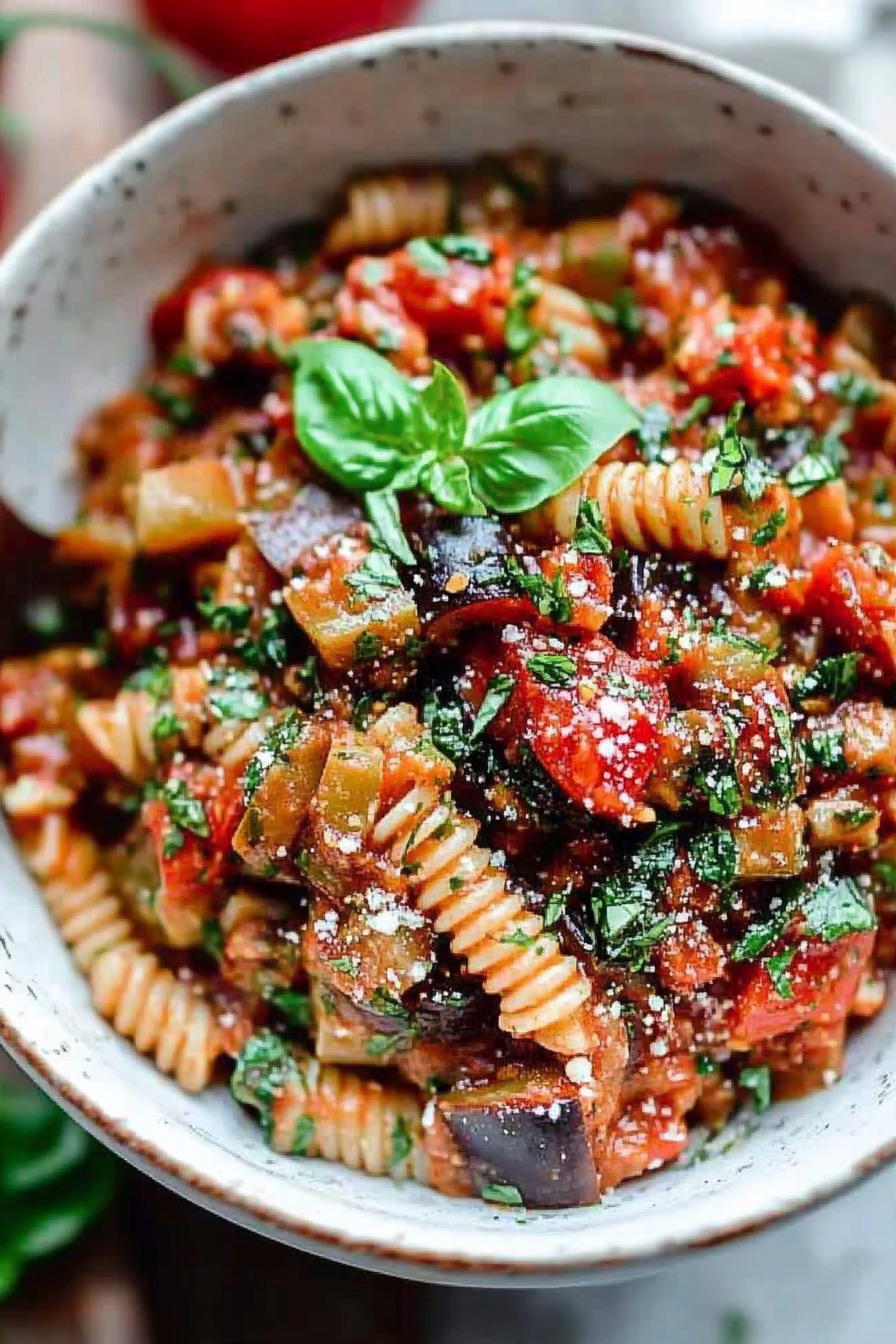
So, what exactly is this delightful dish I’m gushing about? Well, Caponata is a traditional Sicilian sweet and sour eggplant stew. Think of it as a jewel-toned vegetable medley, brimming with tender eggplant, crunchy celery, vibrant bell peppers, juicy tomatoes, briny olives, and capers, all lovingly simmered in a luscious sauce. It gets its distinctive “agrodolce” (sweet and sour) flavor from a delicate balance of vinegar and a touch of sugar, which really makes all the individual ingredients pop. It’s essentially a celebration of summer vegetables, often enjoyed at room temperature or even chilled, which makes it an absolute lifesaver for meal prep or entertaining. Every spoonful is a little trip to the Mediterranean, bright and earthy all at once. The name itself is thought to come from “capone,” a local fish that was historically served with this sauce, or perhaps from the Latin word “caupona,” meaning a tavern or inn where such dishes were served. Either way, it’s got a rich history and even richer flavor!
Why you’ll love this recipe?
Oh, where do I even begin with why this Caponata will become your new best friend in the kitchen? First off, the **flavor** is simply out of this world. It’s complex without being complicated – you get the earthy depth of the eggplant, the bright tang of tomatoes, the salty pop of capers and olives, all woven together with that incredible sweet and sour dressing. It’s a symphony for your taste buds, truly. What I love most about this particular Caponata is its **simplicity**. Don’t let the rich flavor fool you; it’s incredibly straightforward to make. Most of the cooking time is hands-off simmering, leaving you free to do other things (like pour yourself a glass of wine, perhaps?).
It’s also surprisingly **cost-efficient**. We’re talking about humble, readily available vegetables that transform into something spectacular. It’s perfect for using up garden bounty or those lovely seasonal finds at the farmers market without breaking the bank. And the **versatility**? Oh, honey, it’s endless! Serve it as a gorgeous appetizer with crusty bread, a vibrant side dish, or even tossed with pasta for a quick, satisfying meal. It’s a bit like a chameleon in the kitchen, adapting beautifully to whatever you’re craving. Unlike some veggie stews that can feel a bit heavy, this Caponata is light yet incredibly satisfying, making it a fantastic alternative to something like a heavier bean stew. My family absolutely adores this; it’s one of those rare dishes where everyone genuinely enjoys their vegetables. It’s packed with nutrients, full of fiber, and tastes like a dream – what’s not to love?
How do you make a caponata?
Quick Overview
Making this beautiful Caponata isn’t nearly as daunting as it might sound. Essentially, we’re going to give our veggies a little love in a pan, then let them all mingle and get cozy in a fragrant tomato-based sauce. The key here is developing those beautiful caramelized flavors on the eggplant and other vegetables before they join the party. This method ensures every bite is bursting with flavor, not just cooked-through mushiness. It’s a gentle simmer that coaxes out the best from each ingredient, culminating in a harmonious dish that tastes like it simmered for hours, even if you’re a bit short on time. It’s truly a testament to how simple ingredients can create something extraordinary with just a little patience and care. You’ll be amazed at how quickly it comes together once you get everything prepped!
Ingredients
For the Star Vegetables: A New World: A New World: A New World: A New World: A New World: A New World
- 3 medium eggplants (about 2 lbs), cut into 1-inch cubes – Look for firm, shiny eggplants that feel heavy for their size. I don’t bother peeling them for more texture and nutrients.
- 1 large red onion, roughly chopped – Red onions add a lovely sweetness when cooked down.
- 2 stalks celery, thinly sliced – Don’t skip this! It adds a crucial crunch and aromatic depth to the Caponata.
- 1 large red bell pepper, cored and cut into 1-inch pieces – For sweetness and color.
- 1 large yellow bell pepper, cored and cut into 1-inch pieces – More sweetness and sunshine!
- 1/4 cup extra virgin olive oil, plus more for frying – A good quality olive oil makes a huge difference here.
- Salt and freshly ground black pepper, to taste
For the Flavorful Sauce:
- 1 (28 ounce) can crushed tomatoes – I always go for good quality San Marzano style for the best flavor.
- 1/2 cup pitted green olives (like Castelvetrano or Manzanilla), halved – For that salty, briny kick that defines Caponata.
- 2 tablespoons capers, rinsed and drained – Another essential briny element; don’t be shy with these little flavor bombs.
- 2 tablespoons red wine vinegar – This is where the “agrodolce” magic truly starts!
- 1-2 tablespoons granulated sugar (adjust to taste) – Balances the vinegar beautifully. I usually start with one and taste.
- 1/2 teaspoon red pepper flakes (optional, for a little heat) – My husband loves a tiny kick, so I usually add these.
For the Finishing Touches:
- 1/4 cup fresh basil, chopped – Stirred in at the end for vibrant freshness.
- Fresh parsley, chopped, for garnish (optional) – Adds a lovely bright touch.
- Toasted pine nuts (optional) – For a nutty crunch, highly recommend!
Step-by-Step Instructions
Step 1: Prep & Fry the Eggplant
Okay, first things first with our beloved eggplant! Cut your eggplant into nice, even 1-inch cubes. Now, here’s a pro tip I swear by: lightly salt your eggplant cubes and spread them out on paper towels or a clean kitchen towel for about 30 minutes. This draws out excess moisture, which means less oil absorption later and a much better texture in your Caponata. After 30 minutes, pat them really dry. In a large, heavy-bottomed pot or Dutch oven, heat about 2 tablespoons of olive oil over medium-high heat. Working in batches if necessary (don’t overcrowd the pan, it’s a rookie mistake I learned the hard way!), fry the eggplant cubes until they’re golden brown and tender, about 5-7 minutes per batch. You want them beautifully caramelized. Transfer the cooked eggplant to a plate lined with paper towels to drain any excess oil. Repeat with more oil and eggplant until all are done.
Step 2: Sauté the Aromatics
With the eggplant out of the way, add another tablespoon of olive oil to the same pot (or clean it if too many bits are sticking, but usually it’s fine!). Toss in your chopped red onion and celery. Sauté them over medium heat for about 5-7 minutes, until they’ve softened and the onion is translucent. You’ll notice the kitchen filling with the most wonderful savory aroma – that’s a good sign! Next, add your red and yellow bell peppers. Continue to cook for another 5-7 minutes, stirring occasionally, until the peppers begin to soften slightly but still have a little bite. We’re building layers of flavor here, so don’t rush this step.
Step 3: Build the Sauce
Now for the heart of our Caponata sauce! Pour in the crushed tomatoes. Add the pitted green olives, capers, red wine vinegar, and 1 tablespoon of sugar (we can adjust later!). If you’re a fan of a little warmth, now’s the time to toss in those red pepper flakes. Give everything a good stir to combine. Bring the sauce to a gentle simmer, then reduce the heat to low, cover the pot, and let it cook for about 15-20 minutes. This simmering time allows all those amazing flavors to meld together and the vegetables to become wonderfully tender. It’s moments like these when the house smells absolutely incredible, making everyone anticipate dinner!
Step 4: Combine & Simmer
After the sauce has had its little simmering session, it’s time to bring everything together. Gently fold in your fried eggplant cubes. Give it another good stir to ensure the eggplant is fully coated in that glorious sauce. Taste it! This is crucial. This is where you adjust the sweet and sour balance. If it needs more tang, add a splash more vinegar. If it’s too tart, a tiny bit more sugar will do the trick. Season with salt and pepper to your liking. Remember, the capers and olives are salty, so go easy on the added salt at first. Let the Caponata simmer, uncovered, for another 10-15 minutes, stirring occasionally, just to allow the flavors to deepen and the sauce to thicken slightly. You want it rich and spoonable, not watery.
Step 5: Cool & Rest
This is arguably the most important step for Caponata. Once it’s done simmering, take it off the heat and let it cool completely. Seriously, don’t rush it. While you *can* eat Caponata warm, its flavors truly blossom and meld beautifully as it cools and rests. I always say it’s like a good friendship – it gets better with time! Ideally, let it sit for at least an hour at room temperature, or even better, pop it in the fridge for a few hours or overnight. This rest allows that unique sweet and sour profile to fully develop and makes the Caponata absolutely irresistible. This is a personal trick I picked up from a wonderful Sicilian cook; she insisted Caponata must always have time to “think” before serving.
Step 6: Garnish & Serve
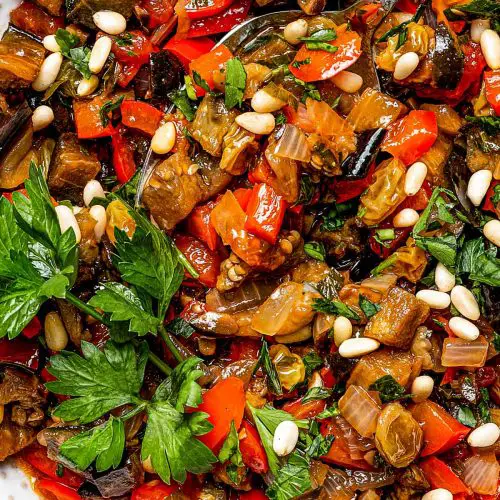
When you’re ready to serve your beautiful Caponata, stir in the fresh chopped basil. The vibrant green against the rich reds and browns is just stunning, and the basil adds such a fresh aroma. If you’re using toasted pine nuts, sprinkle those on top for a lovely crunch. A final sprinkle of fresh parsley doesn’t hurt either for a pop of color. Serve at room temperature or chilled, piled high on a platter. It truly shines when presented simply, allowing its gorgeous colors and textures to be the star. This is where you get to show off your culinary masterpiece!
What to Serve It With
Oh, the joys of serving Caponata! This versatile dish is truly a chameleon on your table. You’ll find yourself reaching for it for so many different occasions. My absolute favorite way to enjoy it is probably as an **appetizer**. Pile generous spoonfuls of Caponata onto thick slices of toasted crusty bread, bruschetta, or even little crostini. It’s perfect for a gathering – I’ve seen this disappear in minutes at my house! Pair it with a simple cheese board and a glass of crisp white wine, and you’ve got yourself a little piece of heaven. It’s much more exciting than your average dip, don’t you think?
It also makes a magnificent **side dish**. Imagine it alongside grilled fish or chicken, or even a simple frittata. The bright, tangy notes of the Caponata cut through richer flavors beautifully, providing a lovely counterpoint. My kids actually ask for this with their Sunday roast chicken, which is a miracle in itself! For a lighter **main course**, especially during warmer months, I sometimes toss the Caponata with some freshly cooked pasta – maybe a short shape like penne or rigatoni – and a sprinkle of Parmesan. It’s quick, satisfying, and feels incredibly gourmet for minimal effort. You could even top a baked potato with it for a hearty vegetarian meal.
And for **cozy snacks**? A bowl of Caponata with some sturdy crackers or even just a spoon makes a surprisingly comforting afternoon pick-me-up. I’ve been known to sneak spoonfuls straight from the fridge! It’s also phenomenal stuffed into pita bread with some crumbled feta. It’s one of those recipes that genuinely tastes even better the next day, making it an amazing make-ahead dish for picnics or potlucks. Seriously, this Caponata fits in everywhere!
Top Tips for Perfecting Your Caponata
Listen up, buttercup, because these are the little nuggets of wisdom I’ve gathered over countless batches of Caponata. They’re the difference between “good” and “oh-my-god-I-need-more.”
Eggplant Prep is Key: I really can’t stress this enough. That salting step? Don’t skip it! It’s my number one tip for perfectly cooked eggplant that isn’t greasy or watery. It makes all the difference in the final texture of your Caponata. After salting, make sure you pat the cubes *super dry* before frying. Any lingering moisture will make them steam instead of brown, and we want glorious golden-brown edges for maximum flavor development.
Don’t Crowd the Pan: When you’re frying the eggplant (and later, the other vegetables), resist the urge to cram everything into the pot at once. Overcrowding drops the pan temperature, leading to steamed, sad vegetables instead of beautifully caramelized ones. Work in batches; it’s a little extra time but yields infinitely better results for your Caponata. Trust me, it’s worth it!
Balance is Everything (Sweet & Sour): The “agrodolce” balance is the soul of Caponata. Start with the suggested amount of sugar and vinegar, but *always* taste and adjust at the end. Some tomatoes are sweeter, some vinegars are sharper. My nonna always said to taste it and let your tongue be your guide. It should be pleasantly tangy with a hint of sweetness, never cloying or overwhelmingly sour. This is where your personal touch truly shines.
Ingredient Swaps & Variations: This recipe is wonderfully flexible! If you don’t have red bell peppers, use green! You could even add some finely diced carrots for extra sweetness, or a handful of roasted almonds for crunch. I’ve tried adding a spoonful of golden raisins (rehydrated in warm water) for an extra sweet note, and it’s surprisingly delicious. If you’re out of red wine vinegar, balsamic can work in a pinch, but use a little less as it’s often sweeter. Feel free to play with the herbs too – a little oregano or marjoram wouldn’t be amiss, though basil is my absolute favorite for Caponata.
Let It Rest (Seriously!): I know, I know, it’s hard to wait when it smells so good. But the single best thing you can do for your Caponata is let it cool and rest. Overnight in the fridge is ideal. The flavors deepen, meld, and transform into something truly spectacular. It’s like letting a good conversation settle in; everything makes more sense afterwards. This is a critical step for that authentic, rich flavor profile. I learned this trick after years of making it, and it never fails to impress.
Storing and Reheating Tips
One of the many beauties of Caponata is how well it keeps and how its flavors deepen over time. You’ll probably find yourself making a double batch just for the leftovers!
Room Temperature: If you’re serving it within a few hours, Caponata is absolutely lovely at room temperature. Just cover it loosely with plastic wrap or a lid. It’s best to consume it within 2-3 hours if left out on the counter. After that, it should really go into the fridge to maintain its freshness and safety.
Refrigerator Storage: This is where Caponata truly shines for make-ahead meals. Transfer any leftover Caponata to an airtight container. It will keep beautifully in the refrigerator for up to 5-7 days. In fact, many people (myself included!) find that the flavors of Caponata actually improve after a day or two in the fridge, giving all those wonderful ingredients more time to mingle and harmonize. It’s perfect for prepping on a Sunday and enjoying all week long! Just make sure your container is sealed well to prevent any fridge odors from getting in or out.
Freezer Instructions: Yes, you can freeze Caponata! It freezes wonderfully, making it a fantastic dish for batch cooking. Once completely cooled, transfer the Caponata to freezer-safe airtight containers or heavy-duty freezer bags. If using bags, squeeze out as much air as possible to prevent freezer burn. It will last in the freezer for up to 3 months. When you’re ready to enjoy it, simply thaw it overnight in the refrigerator. I usually give it a gentle reheat on the stovetop over low heat, stirring occasionally, or let it come to room temperature before serving. The texture holds up remarkably well after freezing and thawing, which is always a bonus!
Flavor Development & Storage: As I mentioned, the cool-down and rest period is crucial for this Caponata recipe. Those complex sweet and sour notes truly develop and settle. Storing it in the fridge only enhances this process further. Don’t be surprised if your Caponata tastes even better on day two or three – it’s just the magic of time working its wonders!
Frequently Asked Questions
Final Thoughts
Honestly, this Caponata isn’t just a recipe; it’s an invitation to savor the simple, beautiful things in life. Every time I make it, the aroma that fills my kitchen instantly transports me to sunnier places, and that’s a feeling I truly cherish. It’s more than just a vegetable stew; it’s a story in every bite – a testament to how humble ingredients, when treated with a little love and patience, can create something truly extraordinary. It’s the kind of dish that adapts to your needs, always delicious, always comforting, and always ready to impress. If you’ve loved diving into this Caponata, I bet you’d also adore my recipe for slow-roasted tomato sauce or even my roasted red pepper spread – they share that same Mediterranean soul. Can’t wait to hear how yours turns out! Don’t be shy; leave a comment below and tell me your favorite way to enjoy Caponata. Happy cooking, my friend!

Caponata
Ingredients
Main Ingredients
- 1 pound eggplant cut into 0.5-inch cubes
- 0.5 teaspoon salt
- 1 tablespoon olive oil
- 0.5 cup tomato juice
- 3 tablespoons red wine vinegar or to taste
- 0.25 cup fresh parsley chopped
- 2 tablespoons granulated sugar
- 1 large fresh tomato cored, seeded, and chopped
- 0.25 cup golden raisins
- 3 tablespoons black olives minced
- 2 tablespoons extra virgin olive oil
- 1 small yellow onion finely chopped
- 1 red bell pepper red bell pepper seeded and finely chopped
- 0.25 cup pine nuts for serving
- ciabatta sliced, for serving
Instructions
Preparation Steps
- Preheat the oven to 400˚F.
- Season the eggplant cubes with salt and set aside while the oven preheats.
- Pat the eggplant dry with paper towels, transfer the cubes to a sheet pan, drizzle with olive oil, and toss to coat. Roast for 20 to 25 minutes until browned and tender.
- In a bowl, whisk together tomato juice, red wine vinegar, parsley, and sugar. Stir in the chopped tomato, raisins, and minced black olives.
- Heat extra virgin olive oil in a skillet over medium-high heat. Add the bell pepper and onion, cooking for about 7 minutes until softened and browned.
- Reduce heat to medium-low, stir in the roasted eggplant and tomato mixture. Simmer for 5 to 8 minutes until sauce thickens.
- Remove from heat and let the caponata rest at room temperature for 1 hour to develop flavor. Adjust seasoning as needed.
- Serve topped with pine nuts alongside sliced ciabatta bread.