


I still remember the first bite that truly felt like summer in a bowl. It was a bright afternoon at my tío’s house, and a generous bowl of pico de gallo sat perched beside a platter of warm corn tortillas. The tomatoes were punchy, the onions crisp, and the cilantro scent rose up like a little garden chorus. It wasn’t fancy, it wasn’t fussy, and yet every spoonful tasted like family gathered around the table. This pico de gallo is my version of that memory—clean, fresh, and ridiculously easy. You can whip it together in under 15 minutes, and it somehow makes everything you serve with it brighter, from tacos to scrambled eggs. It’s the kind of recipe you reach for when you want something vibrant and honest, something that doesn’t pretend to be more than it is. If you’ve ever compared it to a store-bought salsa and thought, I wish this tasted this fresh all the time, you’re in the right kitchen today.
What is the Pico de Gall
Think of pico de gallo as the classic, fresh Mexican salsa cruda—the raw, chopped version that puts the ingredients front and center. It’s essentially a bright mix of ripe tomatoes, white onion, jalapeño, cilantro, lime juice, and a pinch of salt. The name itself means “beak of the rooster” in Spanish, a playful nod to how people used to scoop it up with tortillas or use it to pick up bites the way a rooster pecks for corn. This is the kind of dish you make when you want the vegetables to shine—no heavy sauces, no cooked-down sweetness, just crisp textures and a zippy kick of citrus. My version keeps that spirit alive: juicy tomatoes, sharp onion, a kiss of heat from jalapeño, herbaceous cilantro, and lime brightness that wakes up every bite. It’s a bright, versatile condiment that can transform a taco night into something memorable without stealing the show from the main dish.
Why you’ll love this recipe?
What I love most about pico de gallo is how forgiving it is. It’s one of those recipes that seems simple on the surface, but it rewards careful chopping, fresh ingredients, and a little patience for the flavors to mingle. Here are the big reasons this version shines:
- Flavor: Juicy tomatoes meet crisp onion, herbaceous cilantro, and lime sparks. The contrast of bright acid and peppery heat is addictive, and it tastes like you spent ages perfecting it—even though you didn’t.
- SimplicityWhat are some easy recipes that don
- Cost-efficiency: What is the best: the ingredients are budget-friendly, storefront-fresh options you can find at almost any market. A little goes a long way, and the yield is generous without breaking the bank.
- Versatility: This pico de gallo plays well with almost anything—tacos, eggs, grilled corn, chips, fish, chicken, or plain crusty bread for a quick snack. It’s a lifesaver on busy nights, and it partners with spicy flavors without getting overwhelmed.
- Freshness: Nothing tastes like a garden in August more than a bowl of pico de gallo. The crisp texture and herb-forward bite keep even simple meals exciting.
I’ve made this countless times and it never disappoints. It’s a family favorite that somehow tastes better when I share the bowl with friends after a long week. If you’re worried about heat, start with fewer jalapeños and scale up after a quick taste test. You’ll learn the exact shade of spicy your crowd loves, and your pico de gallo will be perfectly balanced every time.
How to Make Pico de Gallo
Quick Overview
In a nutshell, you chop and toss: ripe tomatoes, white onion, jalapeño, and cilantro get mingled with fresh lime juice and a pinch of salt. Let it rest for a few minutes if you can, so the flavors have a moment to mingle. What makes this method special is that there’s no cooking involved—color, crunch, and brightness do all the talking. It’s as simple as dice, toss, season, and serve. You’ll have a vibrant bowl ready to wake up nachos, tacos, or a quick scramble, with minimal effort and maximum flavor.
Ingredients
For the Main Base:
- 4 cups ripe tomatoes, diced (Roma or plum tomatoes hold shape nicely)
- 1 cup white onion, finely diced
- 2–3 jalapeños, finely minced (remove seeds for milder heat, keep them for more kick)
- 1/2 cup fresh cilantro, chopped
- 2–3 tablespoons fresh lime juice (from 1–2 limes)
- 1 teaspoon fine sea salt (adjust to taste)
- 1/2 teaspoon sugar (optional, to balance acidity if your tomatoes are very sharp)
- 1 small garlic clove, minced (optional, for a hint of bite)
For the Filling:
- A quick extra chop of any remaining tomato and onion if you want a punchier texture
- Additional cilantro stems fine-chopped for extra brightness
- A splash more lime juice to finish just before serving
For the Glaze:
- Extra lime juice or a light drizzle of your best olive oil (optional, for a silkier finish)
- A pinch more salt or a dash of chili powder if you like a smoky edge
Step-by-Step Instructions
Step 1: Preheat & Prep Pan
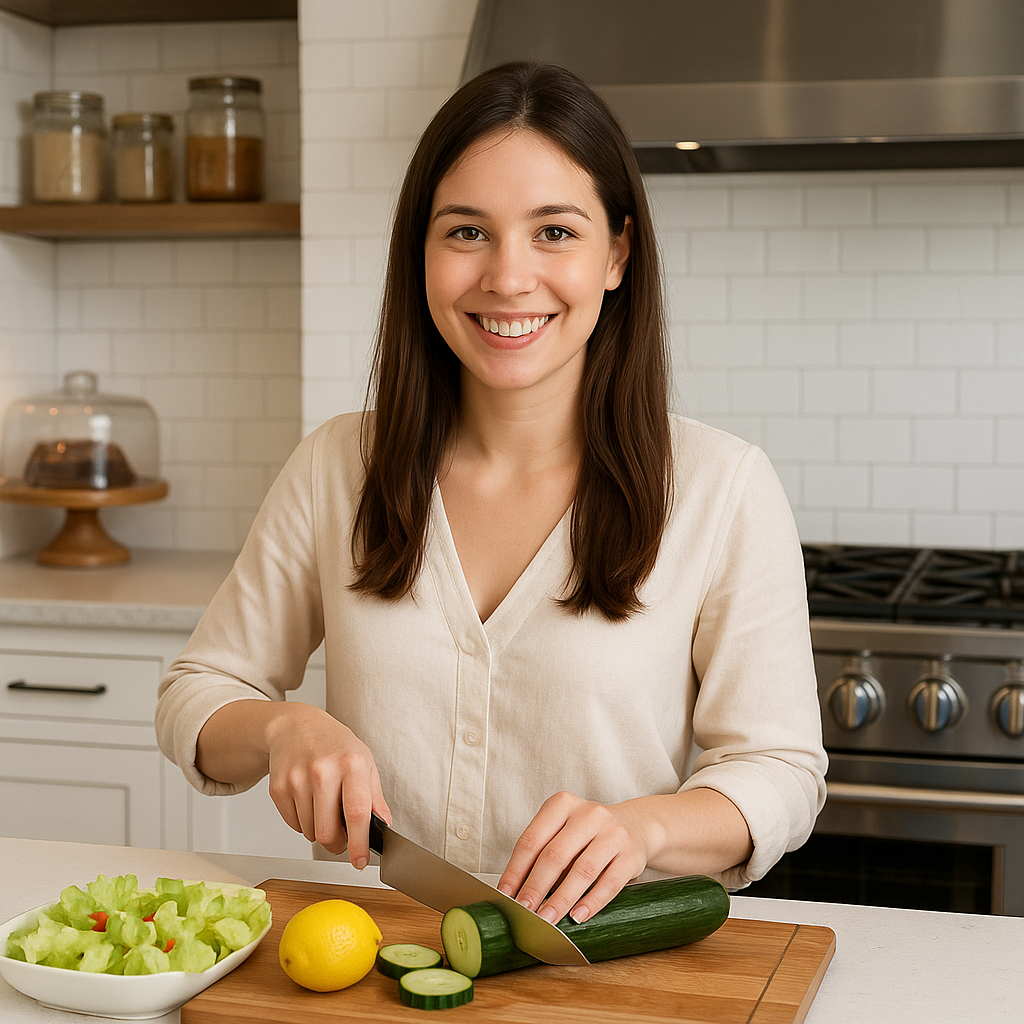
There’s no oven to heat for pico de gallo, which is part of the beauty. Instead, set out a couple of bowls, a sharp knife, and a sturdy cutting board. Rinse the cilantro briefly and pat dry; rinse the jalapeños and tomatoes quickly. I like to chill the tomatoes for a few minutes if they’re extra ripe—the cool temperature helps them stay firm when chopping. Have a lemony moment by zesting a tiny bit of lime before you juice it; the zest goes right into the mix for a citrus punch.
Step 2: Mix Dry Ingredients
In this case, the “dry ingredients” are the solid seasonings that don’t add moisture beyond salt. Sprinkle on the salt and, if you’re using it, the sugar. Give these a quick stir in the bottom of your biggest bowl so they’re ready to greet the chopped produce the moment you add it.
Step 3: Mix Wet Ingredients
Juice the limes and whisk the lime juice with a pinch of salt. If you love a bit of brightness, you can whisk in a teaspoon of zest here. This is your citrus backbone, so don’t skip it. A tiny dab of garlic at this stage gives a whisper of depth if you’re into that, but it’s totally optional.
Step 4: Combine
Dice your tomatoes into even cubes, then add them to the bowl with the onions. Toss gently to avoid turning the tomatoes into mush. Add the minced jalapeño and chopped cilantro. Drizzle the lime juice over the top, then sprinkle with salt. Toss again with a light hand—we want every piece to catch a little lime brightness and herb aroma without losing its shape.
Step 5: Prepare Filling
If you want a more concentrated bite, you can reserve a portion of the diced tomatoes and onions and mix them separately with a pinch more jalapeño and cilantro. This “filling” step is just about giving you flexibility: you can spoon this onto tacos right away or fold it into a quick salad. If you’re serving pico de gallo with grilled foods, consider a tiny extra pinch of salt at this stage to help the flavors pop against smoky notes.
Step 6: Layer & Swirl
Now’s the moment to fold everything together with a few careful turns. You’re looking for even distribution of heat, herb, and acidity. If you see liquid pooling at the bottom, that’s a sign some moisture is escaping—let the mix rest for 5–10 minutes, then give it a gentle final toss. The best pico de gallo is crisp on the bite with a juicy finish, not a watery soup.
Step 7: Bake
As tempting as it is to bake something named pico de gallo, this version stays beautifully raw. Skip the oven entirely. If you’re following a recipe that insists on cooking, consider this: you’re not missing out on flavor; you’re preserving the crisp bite and the true tomato-tart brightness that makes pico de gallo so refreshing. So, simply refrigerate or let it rest on the counter for a few minutes to mellow and mingle.
Step 8: Cool & Glaze
Let the mixture sit for 10–15 minutes to let the flavors harmonize. Taste it, then adjust salt, lime juice, or cilantro as needed. If you like a glossier finish, whisk in a tiny drizzle of olive oil or more lime juice—just a teaspoon at a time—until you achieve a gentle sheen that doesn’t blur the chunky texture.
Step 9: Slice & Serve
Serve pico de gallo in a wide bowl with tortilla chips for scooping, or spoon over tacos, grilled fish, or eggs. A quick garnish of extra cilantro leaves and a tiny lime wedge on the side makes it feel restaurant-perfect. My family loves this with a plate of warm corn tortillas and a dab of avocado. The color combination—crisp red tomatoes, snowy onions, bright green cilantro, and emerald lime—looks as good as it tastes, and that makes every bite feel celebratory.
What to Serve It With
Honestly, pico de gallo is a culinary wingman. It elevates, never dominates. Here are some flexible ideas that fit different moments:
For Breakfast: Spoon a generous dollop over sunny-side-up eggs, toss into avocado toast, or swirl a little into a breakfast burrito. The acidity wakes up the palate and keeps a morning meal feeling lively rather than heavy.
For Brunch: Pair with warm corn tortillas, a platter of grilled vegetables, and a chilled citrusy drink. A few wedges of lime and some extra cilantro sprigs make the setup feel fresh and inviting.
As Dessert: It sounds unusual, but a small, bright pico de gallo pairing can actually be a surprising contrast with fruit desserts. Try a light fruit salad (mango, pineapple, watermelon) with a tiny spoonful of pico de gallo on the side to balance sweetness with brightness. It’s not traditional, but it’s deliciously zippy when you want a crisp finish rather than something syrupy.
For Cozy Snacks: Chips and pico de gallo are a classic combo, of course. But you can also dollop it onto Roasted Potatoes, spoon it over baked fish, or mix it into a quick grain bowl with black beans and corn. It’s the kind of topping that makes a snack feel like a little celebration.
In our kitchen, this pico de gallo shows up on nights when we’re grabbing a few bites between sports practice and school projects. We set a bowl on the counter, and before we know it, everyone has a tortilla chip in hand and a story about their day. It’s bright, it’s comforting, and it never overcomplicates things. A simple salsa that somehow makes every plate feel a notch happier.
Top Tips for Perfecting Your Pico de Gallo
Like any good recipe that relies on fresh produce, small adjustments make a big difference. Here are the techniques I reach for time and again:
Zucchini Prep: Not relevant here; instead, focus on tomato quality. Choose ripe, fragrant tomatoes with a bit of weight, not mealy fruit. If your tomatoes are a little watery, seed them lightly and pat dry with a paper towel before chopping. This keeps the salsa from getting soggy and helps the color stay vivid.
Onion & Salt Balance: Onions can overwhelm if you’re not careful. Dice finely and rinse the onions briefly in cold water for a minute to mellow their bite if you’re sensitive to strong raw onion. Then salt gradually and taste as you go—you want a bright finish, not a salty punch.
Mixing & Texture: Don’t overmix. You want textures that hold their shape. If you chop finely, you’ll end up with a more uniform texture; if you like a rustic bite, keep some larger tomato chunks intact. The contrast is where pico de gallo shines.
Heat Level & Flavor Depth: Jalapeño heat can vary; taste a small piece before adding it to the bowl to guide how many seeds you remove. Cilantro stems bring more herbaceous brightness than the leaves alone, so don’t discard them—mince them finely and fold them in for extra pop.
Ingredient Swaps: Try adding finely diced cucumber for extra crunch, or swap lime juice for lemon for a different citrus note. For a richer finish, stir in a teaspoon of olive oil, but do it sparingly so the salsa doesn’t feel slick. If you’re avoiding cilantro, chopped parsley is a gentle substitute.
Baking Tips: If you’re following a recipe that suggests baking, skip it for pico de gallo. I’ll say it again: the magic here is raw brightness. A quick rest time brings out the juices and makes every bite feel juicier and cleaner. Resting is underrated, but it works magic with fresh salsa.
Glaze Variations: If you do want a glaze-like finish, a tiny drizzle of good olive oil with an extra squeeze of lime at the end can create a glossy surface that catches the light beautifully on the table. Just enough to sheen, not enough to dull the crunch.
I learned this trick after years of making it: let the flavors marry for a few minutes before you taste again. The lime’s sharp edge softens a bit, cilantro releases its herbal bouquet, and the onion’s bite becomes a soft undernote that supports, rather than competes with, the tomato sweetness. The result is a pico de gallo that feels bright and honest every single time.
Storing and Reheating Tips
Fresh salsa like pico de gallo is happiest when it’s fresh, but life happens. Here’s how to store it so it still tastes bright and crisp:
Room Temperature: Not for long. If you’re serving it right away, it’s fine for up to 2 hours in a cool, shaded spot. After that, refrigerate to preserve color and texture.
Refrigerator Storage: Transfer to an airtight container and use within 2–3 days. Stir before serving to redistribute any liquid that may have settled on top. The cilantro and lime can lose brightness, so a quick taste test and a pinch of salt or splash of lime juice helps bring it back.
Freezer Instructions: Freezing fresh pico de gallo isn’t ideal—the texture can turn mushy and the flavors can split upon thawing. If you must freeze, freeze in a single-layer bag for quick thaw, then stir vigorously and taste to adjust acidity after thawing. It won’t taste the same as fresh, but it can still brighten simple dishes in a pinch.
Glaze Timing Advice: If you plan to add a glaze or extra oil, do it after refrigeration, just before serving. A tiny drizzle right before presenting keeps the surface glossy and the flavors lively without making the salsa feel heavy.
Frequently Asked Questions
Final Thoughts
There’s something deeply comforting about pico de gallo—the way a simple bowl of chopped produce can spark conversation, satisfy a craving, and brighten an ordinary weeknight. It’s like a small party in a bowl, where every ingredient has a chance to shine on its own and then mingle in a chorus of flavor. This version stays true to the bright, unpretentious spirit of pico de gallo while offering practical tweaks that make it a reliable, everyday staple. If you’ve got a bunch of vibrant produce in the fridge, you’ve got supper ready in minutes. And if you’re cooking for kids or guests with different heat tolerances, you can dial the jalapeño up or down without changing the rest of the recipe. I hope you’ll keep this bowl nearby, ready to ladle over tacos, eggs, fish, or simply crunchy chips. It’s one of those recipes that reminds me why cooking at home is so special—small, honest pleasures that connect us to the people we cook for. Happy tasting, and I’d love to hear how yours turns out in the comments below. Can’t wait to see your variations and hear what you pair it with!


Pico de Gallo
Ingredients
Main Ingredients
- 4 medium tomatoes Roma tomatoes diced
- 1 medium onion finely diced (white or red)
- 2 jalapeño peppers seeded and finely minced (adjust to taste)
- 0.5 cup fresh cilantro chopped
- 1 lime juiced (about 2 tablespoons)
- 0.5 teaspoon salt or to taste
Instructions
Preparation Steps
- In a medium bowl, combine the diced tomatoes, finely diced onion, minced jalapeño peppers, and chopped fresh cilantro.
- Squeeze the fresh lime juice over the mixture. Add the salt.
- Gently stir to combine all ingredients. Taste and adjust seasoning if needed.
- For best flavor, let the pico de gallo sit for at least 15-30 minutes at room temperature before serving to allow the flavors to meld. Serve with tortilla chips or as a topping for tacos, burritos, or grilled meats.