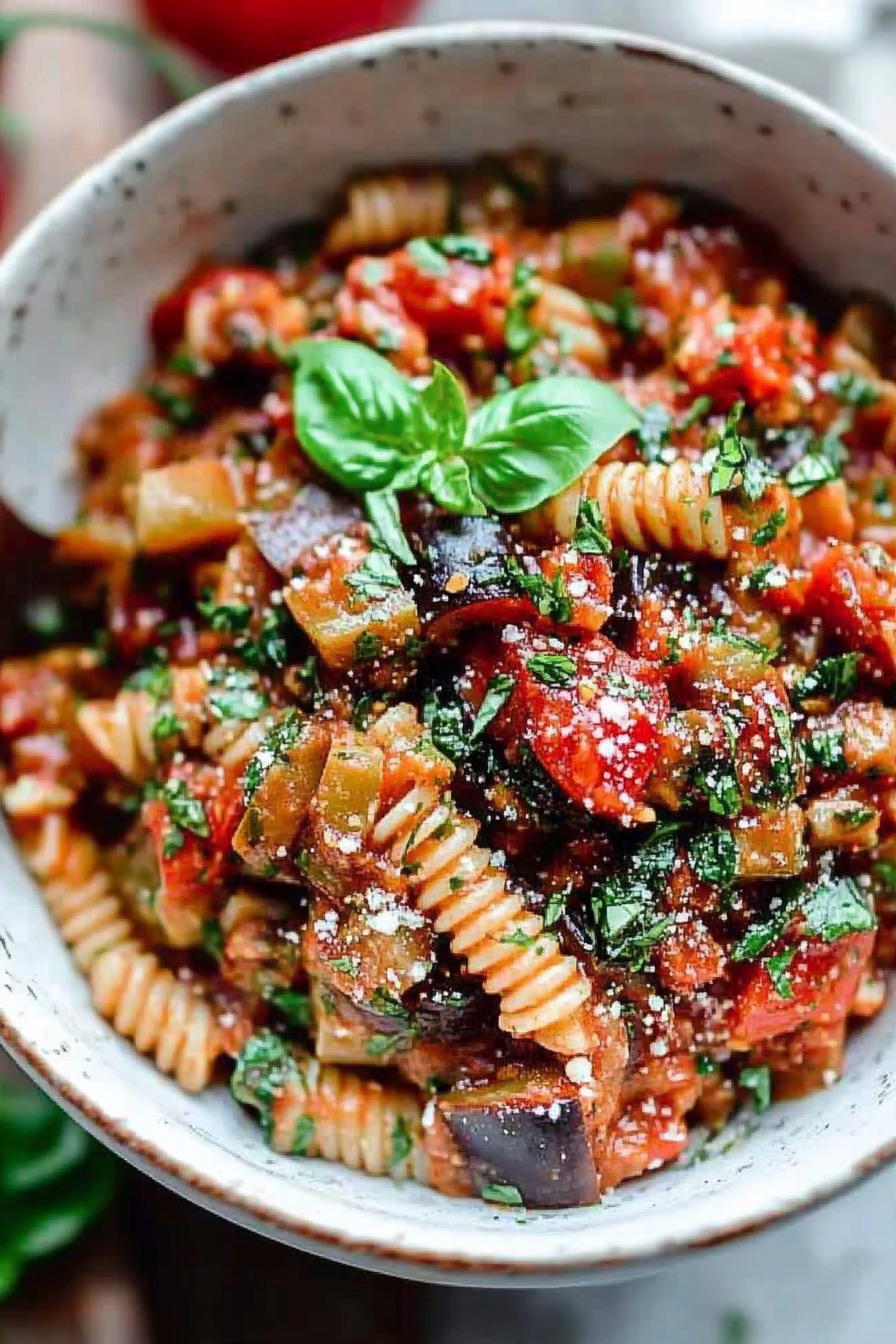



There’s something about sitting down after a long day with a meal that feels thoughtfully put together, yet didn’t stress me out all afternoon. I still remember standing in the kitchen one hectic Monday evening, staring blankly at the fridge, wishing I had a solid weekly menu plan to follow. It sounds simple, but having a go-to outline changes everything. It’s like having a little map that guides you through the week’s meals — no frantic decisions, no last-minute takeout regrets. This has saved my sanity more times than I can count, especially when juggling work, kids, and those never-ending after-school activities. I always do this when life feels crazy: map out meals that feel cozy, nourishing, and easy enough to whip up even when you’re running on zero. Think of it as your kitchen best friend, kind of like your grandma’s old recipe book but updated for the 21st century and a busy family. If you love the smell of roasted garlic mingling with fresh herbs or the sound of a skillet sizzling with colorful veggies, you’re going to appreciate how a well-crafted weekly menu plan makes dinnertime feel just a little bit magical.
What is a weekly menu plan?
Think of a weekly menu plan as your kitchen’s little cheat sheet — it’s essentially a roadmap for the week’s meals, organized ahead of time so you’re not scrambling every night. The idea’s pretty straightforward: you decide what you’re cooking each day, from breakfast through dinner, and sometimes even snacks. This way, grocery shopping is streamlined, you waste less food, and you get to mix up your meals without the “what do I make tonight?” panic. It’s not some fancy meal prep thing either; it’s just you, your food, and a plan to make life easier and tastier. I love that it takes the guesswork out of cooking, especially if you’re juggling kids’ preferences, work schedules, or just trying to eat healthier. You can make it as simple or as elaborate as you want — it’s all about what works best for your family’s rhythm and tastes. For me, it’s become a cozy ritual I actually look forward to, like sitting down with a cup of tea on Sunday and plotting out the week’s meals.
Why do you like this weekly menu plan?
What I love most about having a go-to weekly menu plan is the flavor variety it brings without the usual hassle. Instead of repeating the same three dinners nightly, this plan lets me sprinkle in some family favorites, a couple of new recipes to keep things exciting, and even a cheat day or two to keep everyone happy. The flavors are rich and familiar but never boring — from cozy pasta dishes that fill the house with garlic and basil to quick stir-fries that sneak in all the veggies my kids often shy away from. It makes mealtime feel effortless because the prep is spread out and organized, not shoved into one jam-packed evening.
This plan’s simplicity is a game-changer — I’m talking about no crazy ingredients that you can’t pronounce or prep that takes an hour. Most of these meals come together in under 30 minutes, perfect for the nights when you’re running late from work or have after-dinner soccer practice. I swear by it on those days when the kids ask, “What’s for dinner?” and I can actually answer confidently and grab the ingredients from the fridge, not wish I had done some planning.
Budget-wise, I’ve found this approach cuts down on overspending because I’m not tempted by impulse buys or expensive takeout. The recipes rely on pantry staples and a few fresh ingredients you can usually find year-round. Plus, it’s versatile enough to swap out proteins or adjust sides based on what’s on sale or what you have on hand. The flexibility means it’s really your menu plan, not some rigid schedule that feels stressful to follow. I’ve tried similar systems before, but this one sticks because it’s built around what my family actually eats—and loves. I’m convinced once you try a solid weekly menu plan, you’ll wonder how you ever lived without one.
How do I make a weekly menu plan?
Quick Overview
Let me tell you, putting together a weekly menu plan is way easier than you think. The trick is to think about meals in categories — like protein, veggies, grains — and then look for meals that fit your week’s vibe, whether that’s speedy weeknight dinners or slow-cooked comfort food for a Sunday night. I usually spend an hour on Sundays, armed with a cup of coffee, jotting down recipes, browsing favorites, and checking the calendar for busy nights. The goal is to balance nutrition, variety, and prep time, so you can glide through the week with confidence. A little planning makes a big difference, and you don’t have to be perfect — adapting as you go is all part of the fun.
Ingredients
For the Weekly Menu Plan:
- Proteins: chicken breasts, ground turkey, canned beans (great for quick swaps and budget-friendly)
- Vegetables: seasonal favorites such as bell peppers, spinach, carrots — fresh or frozen both work well
- Grains: brown rice, quinoa, whole wheat pasta – staples that keep the plate balanced and filling
- Staples & Pantry Basics: olive oil, garlic, onions, canned tomatoes, dried herbs, spices — these create a solid flavor foundation
- Dairy or Alternatives: cheese, yogurt, milk (or nut milks for a twist in creamy dishes)
For the Plan Variations & Prep:
- Batch-cooked staples (like rice or roasted veggies) to reuse throughout the week
- Pre-chopped vegetables for quick throw-togethers or salads
- Simple sauces or dressings made in advance for flavor boosts
Step-by-Step Instructions
Step 1: Assess Your Week
Start by looking at your calendar — note busy nights, evenings with extra time, or any social plans that might affect dinner. Mark those clearly so you know when to plan quick meals or leftovers.
Step 2: Gather Your Recipes
I keep a running list of family favorites and new recipes I’m keen to try. Select a mix that fits your schedule, focusing on balance and variety.
Step 3: Plan Your Meals
Assign each recipe to a day; consider leftovers too (I love making a big batch on Sunday for weekday lunches). Keep a mix of quick, moderate, and slow-cooked meals balanced across the week.
Step 4: Create a Shopping List
Write down all the ingredients you need, double-check pantry staples, and aim to buy just what’s necessary, which saves money and reduces food waste — trust me, it’s a game-changer.
Step 5: Prep What You Can Ahead
Whenever possible, wash, chop, marinate, or cook grains in advance. It might seem small, but this step turns hectic nights into breezes.
Step 6: Stick to It… or Adjust as Needed
Life happens, so if you need to swap meals or grab takeout, don’t stress. The plan is your guide, not your boss. Flexibility is key to making a weekly menu plan work.
Step 7: Enjoy Your Evenings
With your plan ready, you can relax, knowing dinner is sorted — a little prep, a lot less stress, and maybe even a free moment after the meal to savor that perfect homemade dessert.
Step 8: Reflect and Tweak
After the week, take a minute to note what worked and what didn’t. Adjust your menu for next time, refine recipes, or mix in more new dishes to keep things fresh.
Step 9: Repeat
Consistency turns this little habit into a lifesaver. Before long, it’s second nature, and your kitchen feels like your happy place instead of a stress zone.
What to Serve It With
For Breakfast: A weekly menu plan really shines when you think beyond dinner. Simple muffins or yogurt bowls paired with fresh fruit keep mornings easy. Coffee? Always an essential — lattes with cinnamon sprinkled on top make those early wake-ups feel like a treat.
For Brunch: On weekends, when time stretches out, I love adding an elegant twist: poached eggs on avocado toast or homemade granola alongside fresh berries. Complement with a carafe of iced tea or fresh-squeezed juice to brighten the spread.
As Dessert: After a week of solid meals, I often round things out with simple delights like warm baked apples or a batch of chocolate chip cookies. A scoop of vanilla ice cream or a drizzle of honey makes the perfect ending, especially when sharing stories around the table.
For Cozy Snacks: Nothing beats a mid-afternoon nibble for a pick-me-up. Popcorn with a sprinkle of smoked paprika or veggie sticks with hummus keep things light yet satisfying. These small pleasures make sticking to your menu plan feel less like a chore and more like a lifestyle.
My family has made these moments special over the years — sometimes it’s a movie night snack, sometimes a spontaneous picnic on the living room floor. Sharing food this way keeps us all connected and excited about what’s coming next on the menu.
Top Tips for Perfecting Your Weekly Menu Plan
Assess Realistically: Don’t aim for gourmet dinners every night. I learned this early — simple, doable meals beat ambitious plans that never happen.
Batch Prep Smart: Chop veggies or cook grains on Sunday. I found this saves me about 20 minutes each weekday evening — enough time to chat with the kids or sneak in a quick break.
Mix and Match: Keep versatile ingredients handy. For example, roasted chicken can star in a salad one night and a wrap the next, preventing boredom.
Use Your Freezer: Double recipes and freeze extras. I used to waste so much food before I mastered this—now, it’s a lifesaver for busy nights.
Keep a Recipe Journal: Jot down tweaks and favorites. I never remember if I loved that chili recipe or found it bland until I refer back to notes.
Balance Flavors: Be mindful of seasoning during prep, especially if cooking ahead. I add salt and acid (vinegar, lemon) just before serving to keep dishes lively.
Be Flexible: Don’t stress about sticking strictly to the plan; switch days or meals around depending on your mood or unexpected events. It’s your plan, not a contract.
Find Your Inspiration: I follow food blogs and Pinterest boards to refresh ideas — it keeps the menu exciting and within reach.
Keep it Family-Friendly: Involve your kids in planning. My little ones love choosing a meal, and it makes them more excited to eat it.
Celebrate Your Wins: No matter how small, take pride when you execute a solid week. It motivates me to keep going, trust me on this one.
Storing and Reheating Tips
Room Temperature: Most cooked dishes like soups or pasta stay fresh on the counter for 2 hours max. Cover with a clean cloth or reusable wrap to keep bugs and dust away.
Refrigerator Storage: Store leftovers in airtight glass containers to preserve freshness and prevent odors. Typically good for 3-4 days, which is perfect to pack lunches or quick dinners.
Freezer Instructions: Wrap meals tightly in foil or freezer-safe containers. Label with date and contents. Most dishes freeze well for up to 3 months — think casseroles, stews, or pre-portioned soups. Thaw overnight in the fridge or gently warm from frozen, adding a bit of moisture if needed.
Glaze Timing Advice: If your meal includes a glaze or sauce (like for roasted veggies or baked goods), I usually store it separately and apply just before serving to keep that perfect shine and texture.
Having a clear system for storing and reheating means less waste and more delicious food at your fingertips — a huge relief when life’s busy!
Frequently Asked Questions
Final Thoughts
Building a reliable weekly menu plan has been such a meaningful change in my cooking life — it’s like wrapping a warm blanket around the kitchen chaos and turning meals into moments to savor, not stress about. The best part is how this simple practice helps me balance delicious variety, ease in the kitchen, and budget-friendly shopping, all while keeping my family happy and fed with less waste. If you’re someone who’s juggled that dreaded “what’s for dinner?” question, trust me on this — a thoughtful weekly menu plan can be your best ally. Give it a try, start small, listen to your family’s favorites, and most importantly, have fun with it. The kitchen should always feel like a welcoming place, not a battleground.
For folks who love this approach, I recommend checking out my other recipe roundups and menu ideas — each one builds on what you learn, giving you more inspiration and confidence. I’d love to hear how your weekly menu plan turns out — don’t hesitate to drop a comment, share your tweaks, or even your “oops” moments. Happy planning, happy cooking, and can’t wait to hear your stories!


weekly menu plan
Ingredients
Main Ingredients
- 1 lb chicken breasts
- 2 cups rice long grain
- 1.5 cups broccoli florets
- 0.5 cups cheddar cheese shredded
- 3 tbsp olive oil
Instructions
Preparation Steps
- Preheat the oven to 375°F (190°C).
- Season chicken breasts with salt and pepper.
- Heat olive oil in a skillet over medium heat and cook chicken until golden, about 5 minutes per side.
- Cook rice according to package instructions.
- Steam broccoli until tender, about 5 minutes.
- Combine rice, broccoli, and cheddar cheese in a bowl.
- Serve chicken breasts sliced over the rice and broccoli mixture.