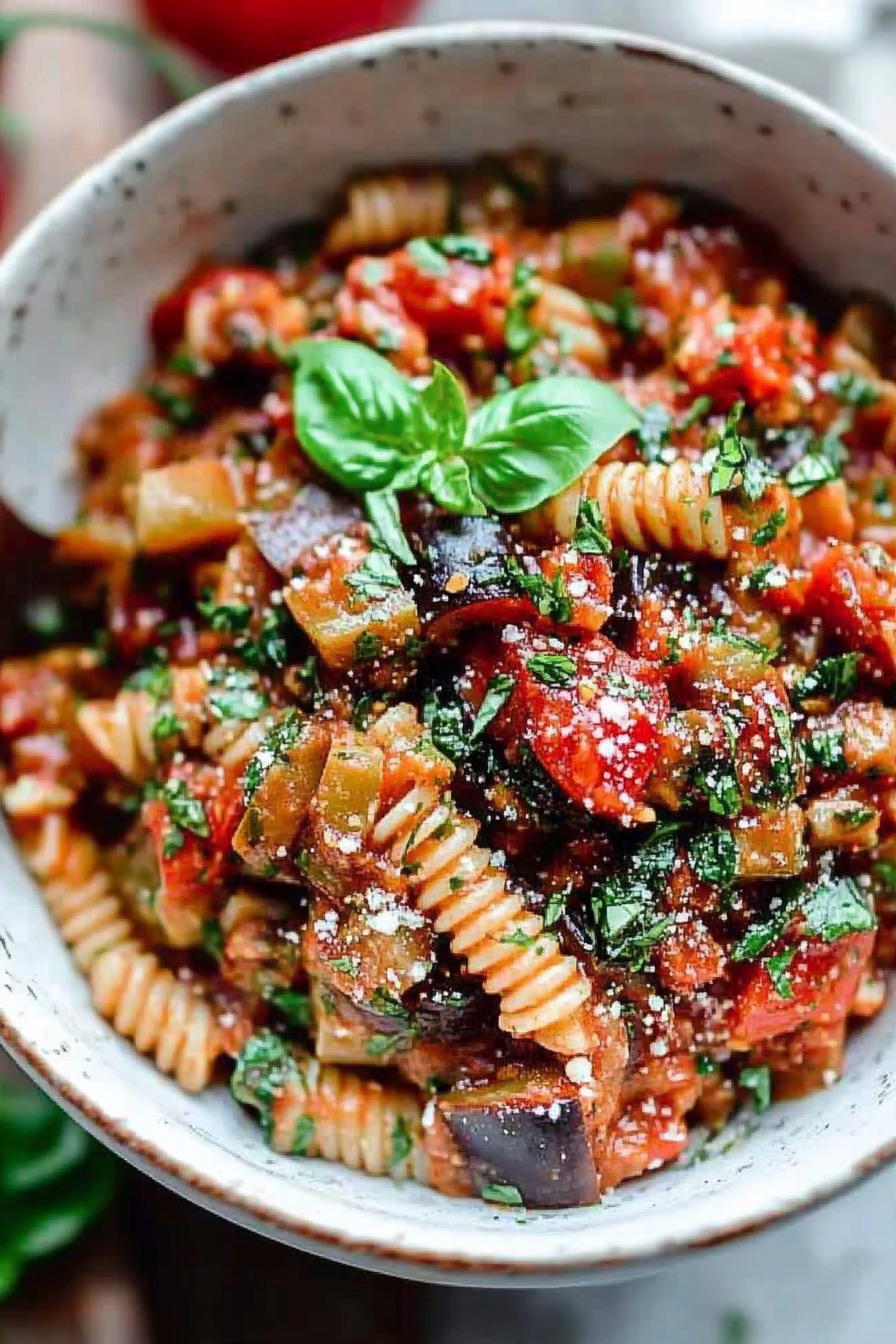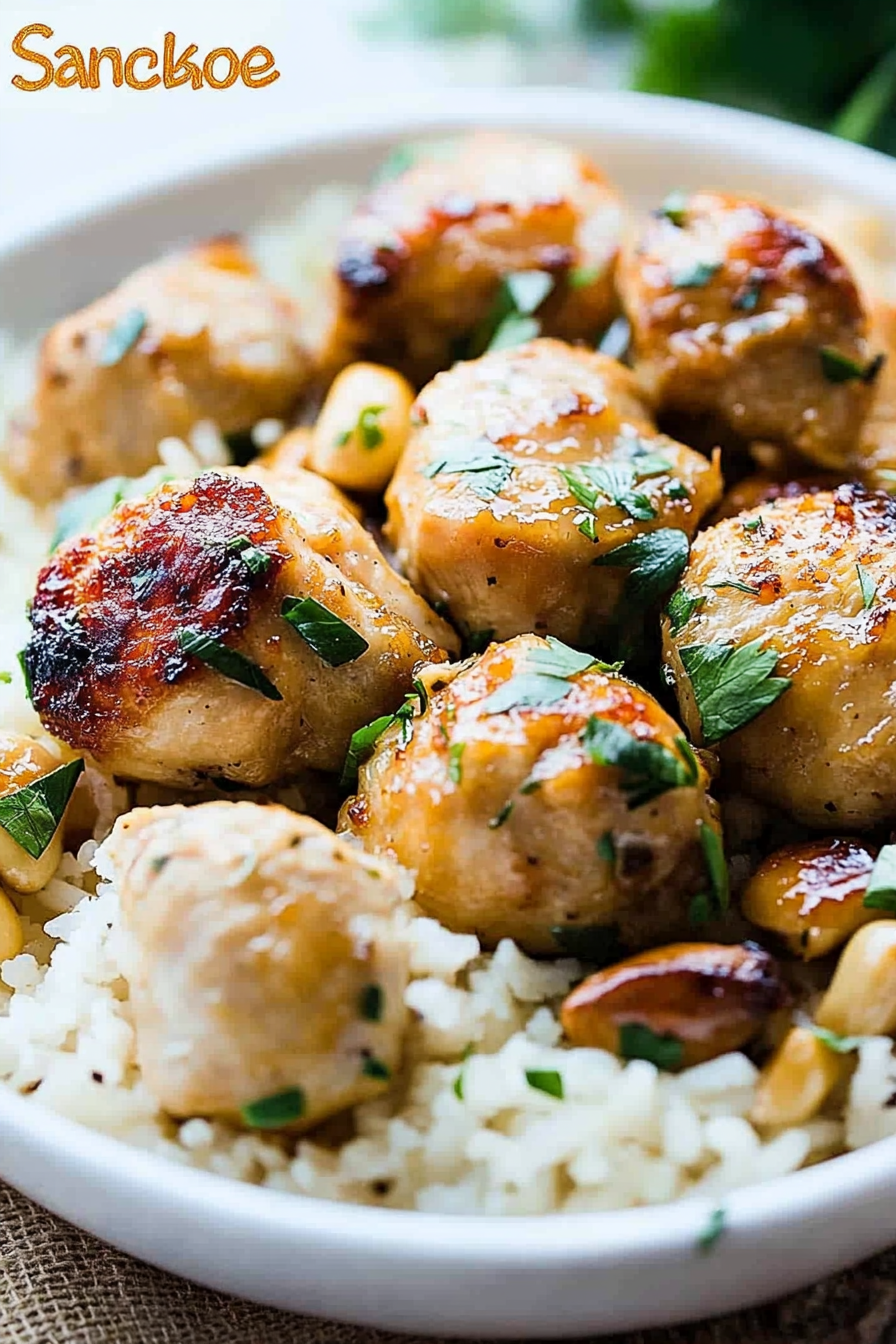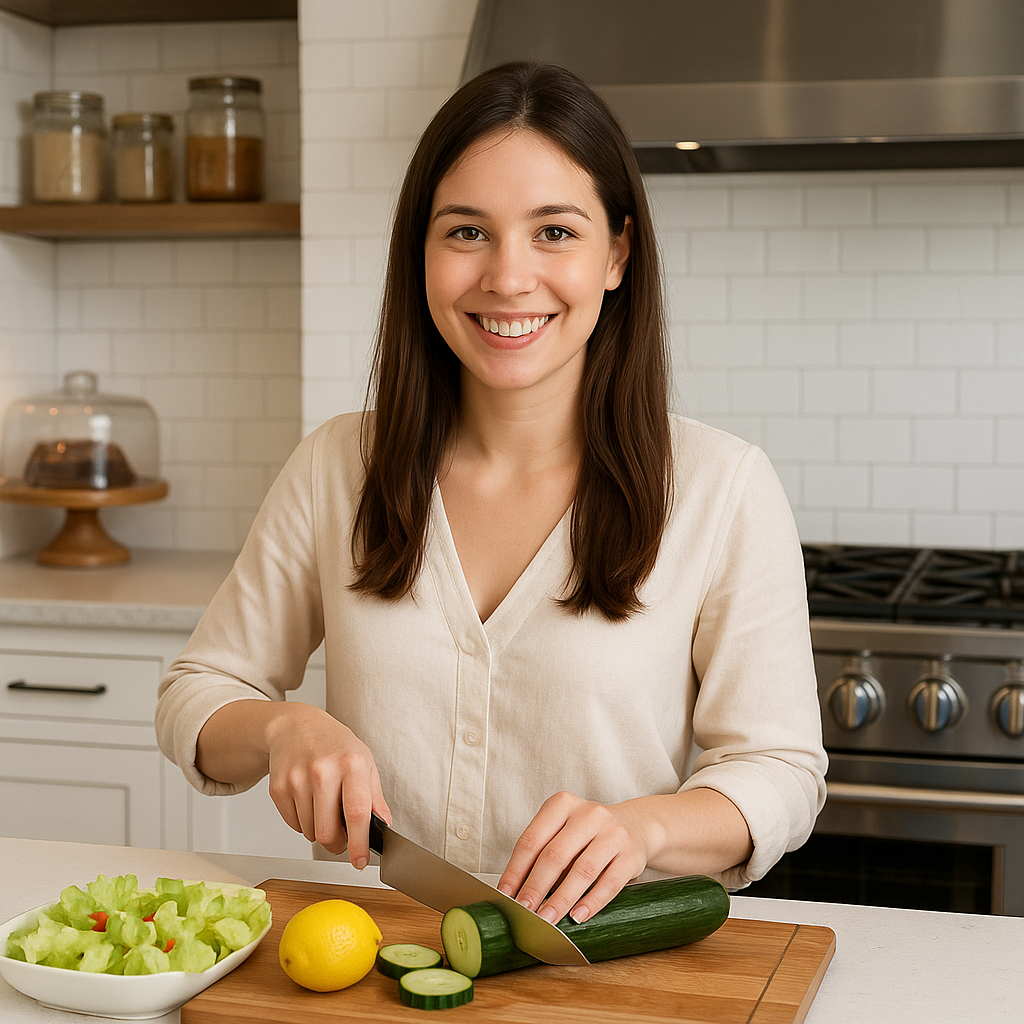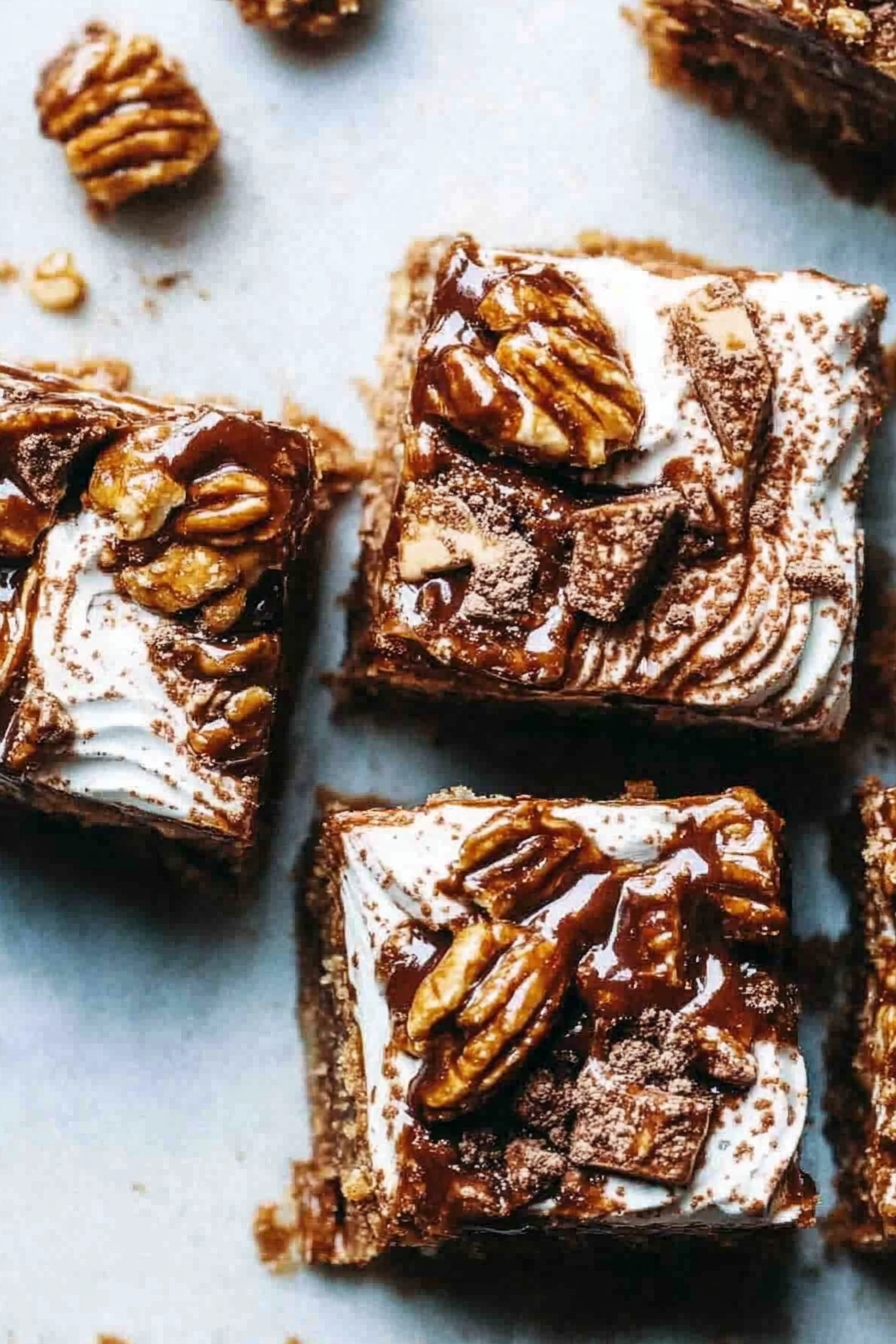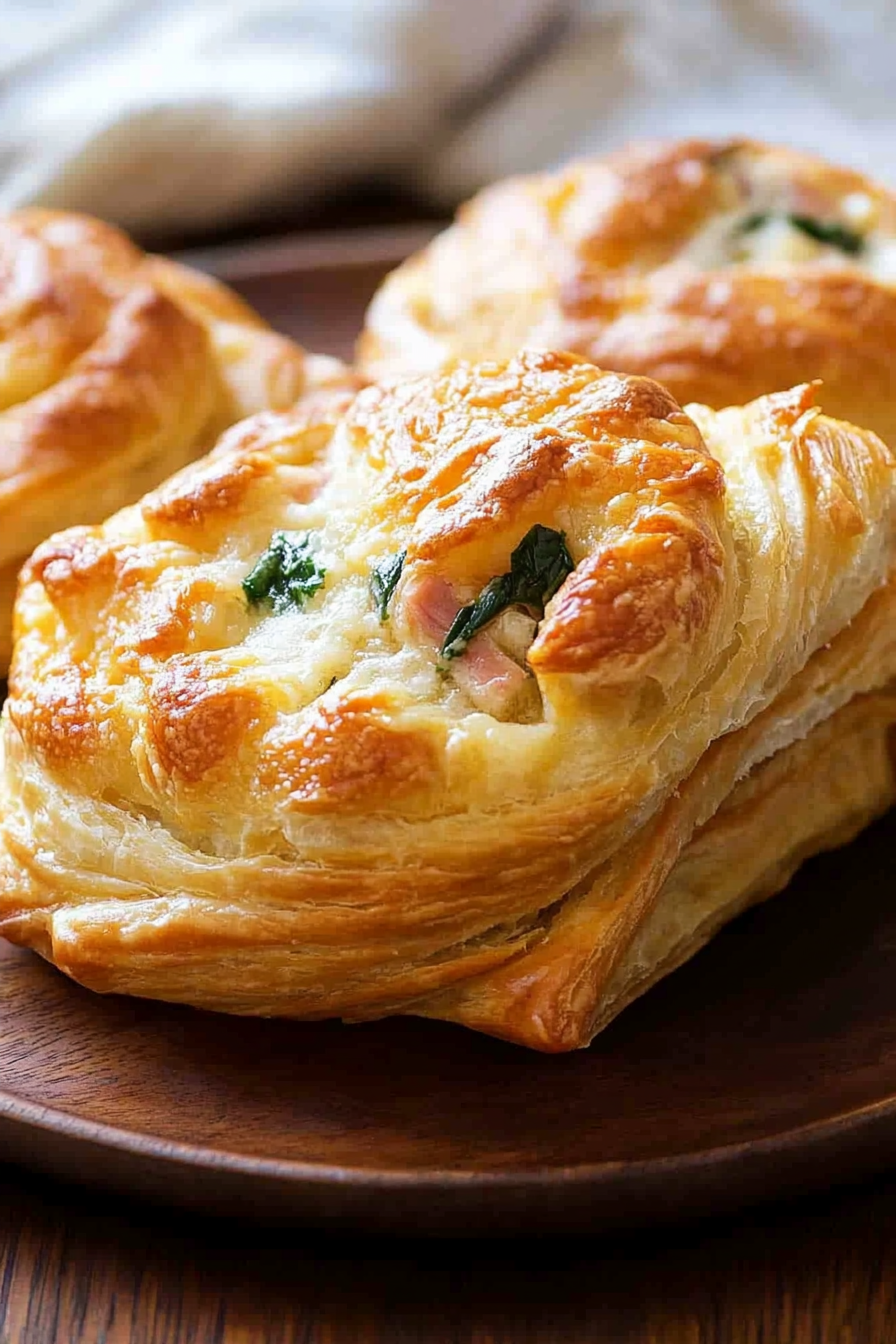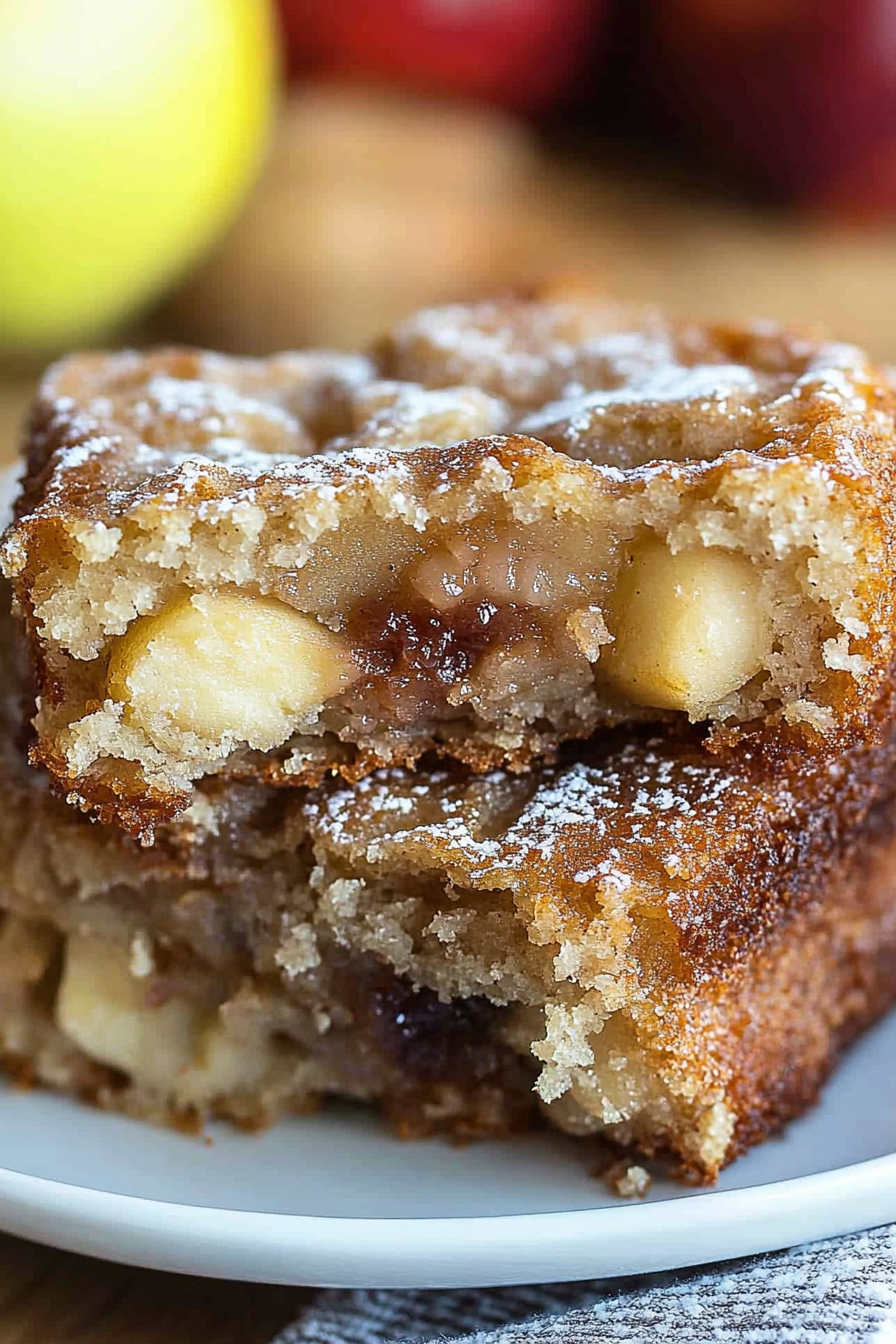



There’s something so comforting about knowing a homemade meal’s waiting in your freezer—ready to rescue you on those nights when the day just ran away from you. Growing up, my mom always had a stash of freezer meals that saved the day more times than I can count. I remember the smell of bubbling casseroles wafting through the house, paired with the cozy buzz of family gathered around the table, and it always felt like a warm hug. Freezer meals aren’t just about convenience—they hold a kind of magic that mixes practicality with love. Honestly, compared to pulling out takeout or stressing about what’s for dinner, having these meals ready to go feels like a lifesaver. Whether it’s a hearty lasagna or savory chicken pot pie, freezer meals have become my secret weapon to keep homemade dinners on the table without the rush or last-minute scramble.
What is a freezer meal?
Think of a freezer meal as your kitchen’s little time capsule—meals that you make ahead and stash away in the freezer to enjoy later without any fuss. It’s essentially a fully or partially cooked dish that you prepare, store airtight, and then thaw or heat up when you need it. The name’s pretty straightforward, right? What’s special is how these meals bridge the gap between cooking from scratch and grabbing fast food—they’re homemade but with a hands-off moment later on. For many of us scrambling through hectic schedules, freezer meals mean you’ve got a dinner date covered without the “what do I cook now?” panic. I like to think of them as the unsung heroes of weeknight cooking, quietly waiting for their moment to shine in your oven or microwave.
Why do you like freezer meals?
Oh, where do I start with why freezer meals have this cozy spot in my heart? First off, the flavor really deepens when meals have a little time to meld in the freezer — it’s like the ingredients have a chance to become best friends before hitting your plate. You get all that comforting, rich taste without the stress of starting from scratch every evening. What’s more, freezer meals are so incredibly simple to make in bulk. I usually spend a Sunday afternoon prepping a few meals that last well into the next week. This means I don’t have to cook at night — just pull out a dish and pop it in the oven. And let me tell you, it saves not just time but a surprising amount of money, too. Buying ingredients in bigger quantities and using what you already have cuts down costs significantly.
Another reason I’m crazy about freezer meals is their versatility. You can tweak the recipes to suit dinner, lunch, or even breakfast for some meals. I’ve done everything from freezer-friendly enchiladas to lasagnas, and even homemade soups. Each batch is a little love note to my future self on a busy evening—flavors that comfort and nourish without a fuss. My kids actually ask for seconds of some of these dishes, which really speaks volumes! And if you’ve ever tried a meal hastily thawed versus one that’s been thoughtfully prepped and frozen well? It’s a whole different ball game. Trust me on this one: freezer meals can seriously be downright delicious, not just convenient.
How do I make freezer meals?
Quick Overview
Making freezer meals is like prepping your own delicious safety net. The whole process breaks down into a few simple steps: prepare your dish fully or partially, cool it, package it properly, and freeze it with care. What I love is how straightforward it is—nothing fancy, just good food and some practical storage know-how. Whether you’re making a casserole, soup, or pasta bake, the trick is in how you prep and store it so flavors stay fresh and textures don’t get weird. Once you’ve nailed your go-to freezer meal method, you’ll feel like you’re part magician, part chef, turning simple ingredients into a ready-to-go feast.
Ingredients
For the main components:
- Protein: Ground beef, shredded chicken, or beans (choose lean cuts for less grease in freezing)
- Vegetables: Fresh or frozen veggies like bell peppers, onions, spinach, carrots—fresh is best but frozen can work in a pinch
- Carbs: Pasta, rice, or potato slices—better to undercook pasta/rice slightly to avoid mushy reheats
- Sauces: Tomato-based sauces, cream sauces made with dairy or alternatives, or broth for soups
- Cheese: A bit of shredded cheese can add creaminess; sharper cheeses work well to punch up flavor
For Seasoning:
- Herbs like basil, oregano, thyme (fresh if you have them; dried works well too)
- Garlic and onions, finely chopped or powdered
- Salt, pepper, and a pinch of chili flakes for a little kick if you’re feeling spicy
Packaging Essentials:
- Freezer-safe airtight containers (glass or BPA-free plastic)
- Heavy-duty freezer bags with as much air removed as possible
- Aluminum foil and plastic wrap to double-wrap if necessary
Step-by-Step Instructions
Step 1: Preheat & Prep Pan
Preheating your oven or stove is crucial if you’re finishing things off before freezing. If cooking through, set your oven to the recipe’s required temperature, often around 350°F (175°C). Grease or line your baking pans with parchment paper to avoid sticking—trust me, scraping stubborn food off foil after a freeze-thaw cycle isn’t fun.
Step 2: Mix Dry Ingredients
For dishes like casseroles or baked ziti, whisk together your dry components like breadcrumbs, spices, and cheese before adding wet ingredients. This helps spread flavors evenly and creates the best texture once baked. I always make sure the mix looks uniform—no clumps or lumps here.
Step 3: Mix Wet Ingredients
Combine your wet ingredients—whether it’s sauce, eggs, or broth—next. If you’re using dairy, I find slightly warming milk or cream makes it blend better, especially if it’s refrigerated. Stir gently so everything’s evenly incorporated, then set aside.
Step 4: Combine
Now bring the wet and dry ingredients together. The key here is to fold carefully—overmixing can toughen your meal after freezing. A few lumps here and there are totally fine. This step determines the texture, so be gentle but thorough.
Step 5: Prepare Filling
If your recipe includes fillings (hello, layered lasagna or stuffed peppers), prepare these separately to keep layers distinct. Cook veggies and proteins just until tender—overcooking makes them mushy later. Season fillings nicely because the freezing can dull flavors a tad.
Step 6: Layer & Swirl
Layer your dish if it’s multi-tiered—like a lasagna or enchilada bake. Use a spoon or rubber spatula to gently spread each layer. For swirl effects, like in marble cheesecakes or bread puddings, use a knife or skewer to create pretty patterns. It looks impressive and tastes even better!
Step 7: Bake
If your meal benefits from a pre-bake, pop it into the oven for 15-20 minutes—this helps set the structure before freezing. Otherwise, par-bake, then cool completely. You’ll want to avoid freezing anything piping hot as it creates more ice crystals and sogginess.
Step 8: Cool & Glaze
Once baked or assembled, let your dish cool on a wire rack until just room temperature. If you’re adding glazes or toppings, do it now unless you prefer to add them fresh after reheating. Cooling is crucial because sudden cold-to-frozen transitions mess with texture and cause freezer burn.
Step 9: Slice & Serve
For casseroles or loaves, slice into single or family-sized portions before freezing so you can reheat what you need without defrosting the whole thing. When serving, I like to let meals thaw in the fridge overnight and then heat slowly to preserve moistness. Serve hot for the full comforting effect.
What to Serve It With
For Breakfast: Think savory freezer frittatas or breakfast burritos splashed with a little hot sauce and a freshly brewed cup of dark roast coffee. It’s a quick, hearty morning kickstart.
For Brunch: Freezer quiche layered with fresh arugula or baby spinach, paired with sparkling lemon water or a light mimosa for those weekends when everyone’s just waking up slowly.
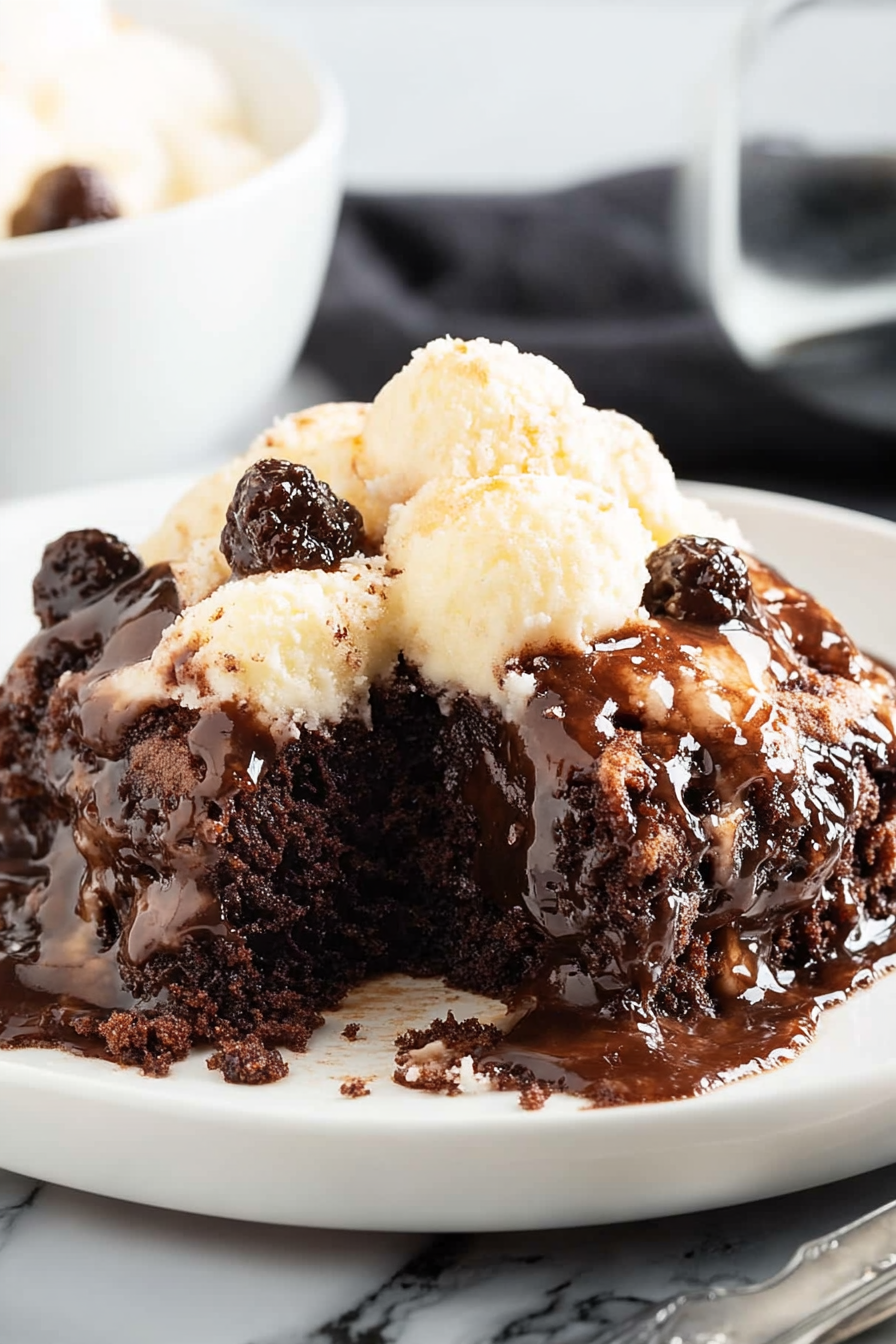
As Dessert: Sweet freezer meals like fruit cobblers or bread puddings, warmed gently and topped with vanilla ice cream or a drizzle of honey, make for a cozy ending to any meal.
For Cozy Snacks: Pot pies or stuffed pastries reheat beautifully and go perfectly with a side of crunchy raw veggies or a sharp cheddar cheese slice for a snack that’s anything but boring.
One of my favorite family traditions is pulling a freezer meal out on chilly Sunday evenings, pairing it with a simple green salad, and splitting a big loaf of crusty bread. It always feels like we’re having a small celebration after a hectic week.
Top Tips for Perfecting Your Freezer Meals
Zucchini Prep: If you’re adding zucchini to your meals, always grate it and press out excess moisture with a clean kitchen towel or cheesecloth. This stops sogginess after freezing. Also, fresh zucchini works best—older veggies add too much water.
Mixing Advice: Mix just until everything comes together. It feels counterintuitive, but a light hand keeps meals tender. Overmixing is a classic mistake that makes texture rubbery after freezing and reheating.
Swirl Customization: I love swirling in pesto or tomato paste into ricotta layers in casseroles. Use a skewer to make pretty marbling patterns, not just for looks but to sample a bit of everything in each bite.
Ingredient Swaps: Got dairy allergies? Try coconut or almond milk instead of cream. I tested almond milk once, and it made the dish even creamier while keeping it dairy-free. For gluten, look for all-purpose gluten-free blends—just add a tablespoon or two of xanthan gum for structure.
Baking Tips: Place dishes on the center rack for the most even cooking. If your oven runs hot, lower the temperature a touch and add 5-10 minutes to cooking time. Use a toothpick to check doneness—if it comes out clean, you’re golden.
Glaze Variations: Swap classic glazes for savory herb butters or drizzle with olive oil and sprinkle with sea salt after reheating. Glazes don’t always freeze well, so consider adding them fresh to keep texture and flavor bright.
One thing I learned the hard way: freeze your meals flat in freezer bags if they’re loose (soups, sauces) to speed thawing and reduce freezer burn. Also, labeling everything with dates and contents saves so much confusion later on. This hobby turned household hack has been a game-changer in meal prep!
Storing and Reheating Tips
Room Temperature: Most freezer meals are best stored frozen but if you’re keeping leftovers at room temperature, cover well and eat within 2 hours to avoid spoilage.
Refrigerator Storage: Use airtight containers and consume within 3–4 days. I always place mine on the middle shelf where temperatures are most stable.
Freezer Instructions: Wrap meals tightly with foil and then place into a freezer bag, squeezing out all the air to prevent freezer burn. Label with the date and meal type. Most meals stay great for up to 3 months. To thaw, move from freezer to fridge overnight or use your microwave’s defrost setting for quicker meals.
Glaze Timing Advice: If your meal has a glaze or garnish, it’s best to keep that separate and add fresh after reheating to keep it vibrant and prevent it from breaking down in the freezer.
Frequently Asked Questions
Final Thoughts
I honestly can’t recommend freezer meals enough—they’re like little bundles of care that bring us all back to the dinner table without the usual chaos. Every time I pull one out, I feel like I’m giving myself a high-five for planning ahead, but also feeding my family something real and nourishing. These meals go beyond just being convenient; they’re about savoring moments together, even when time’s tight. If you’re just starting out, try one recipe and see how much easier your evenings become. And once you get rolling, there’s no limit—mix it up with soups, bakes, or even breakfasts. I’d love to hear what you try and how you personalize yours! Happy freezing, and can’t wait to hear how your freezer meals turn out.


freezer meals
Ingredients
Main Ingredients
- 2 lb boneless skinless chicken breasts
- 1.5 cup low sodium chicken broth
- 1 tbsp olive oil
- 1 tsp garlic powder
- 1 tsp onion powder
- 1 tsp dried thyme
- 0.5 tsp black pepper freshly ground
- to taste salt optional, adjust after cooking
Instructions
Preparation Steps
- Preheat oven to 375°F (190°C). Lightly grease a baking dish with olive oil.
- Arrange chicken breasts in the baking dish and sprinkle garlic powder, onion powder, dried thyme, black pepper, and salt evenly over them.
- Pour chicken broth around the chicken, making sure not to wash off the seasoning.
- Cover the baking dish tightly with foil and bake for 35-40 minutes until the chicken is cooked through.
- Remove foil and broil for 2-3 minutes to lightly brown the top if desired.
- Allow chicken to cool completely before transferring to freezer-safe containers. Label and freeze for up to 3 months.
- To reheat, thaw in the refrigerator overnight and warm in the oven or microwave until hot.