


Oh, friend, do I have a recipe for you today! You know how sometimes you just crave something deeply comforting, something that feels like a warm hug in a bowl, but you also want it to be packed with veggies and goodness? Well, this eggplant bolognese is exactly that. It’s a dish that instantly transports me back to my grandmother’s kitchen, not because she made bolognese with eggplant (she was a purist with her Meat Sauce!), but because it has that same slow-cooked, rich, soul-satisfying feeling. It’s like the classic Bolognese you adore, but with a beautiful, earthy twist that honestly, sometimes I prefer! It’s incredible how a humble eggplant can transform into something so meaty and substantial, making this a perfect weeknight hero or a delightful dinner party showstopper. My family absolutely devours it, and I swear, even the picky eaters don’t miss the meat.
What is Eggplant Bolognese?
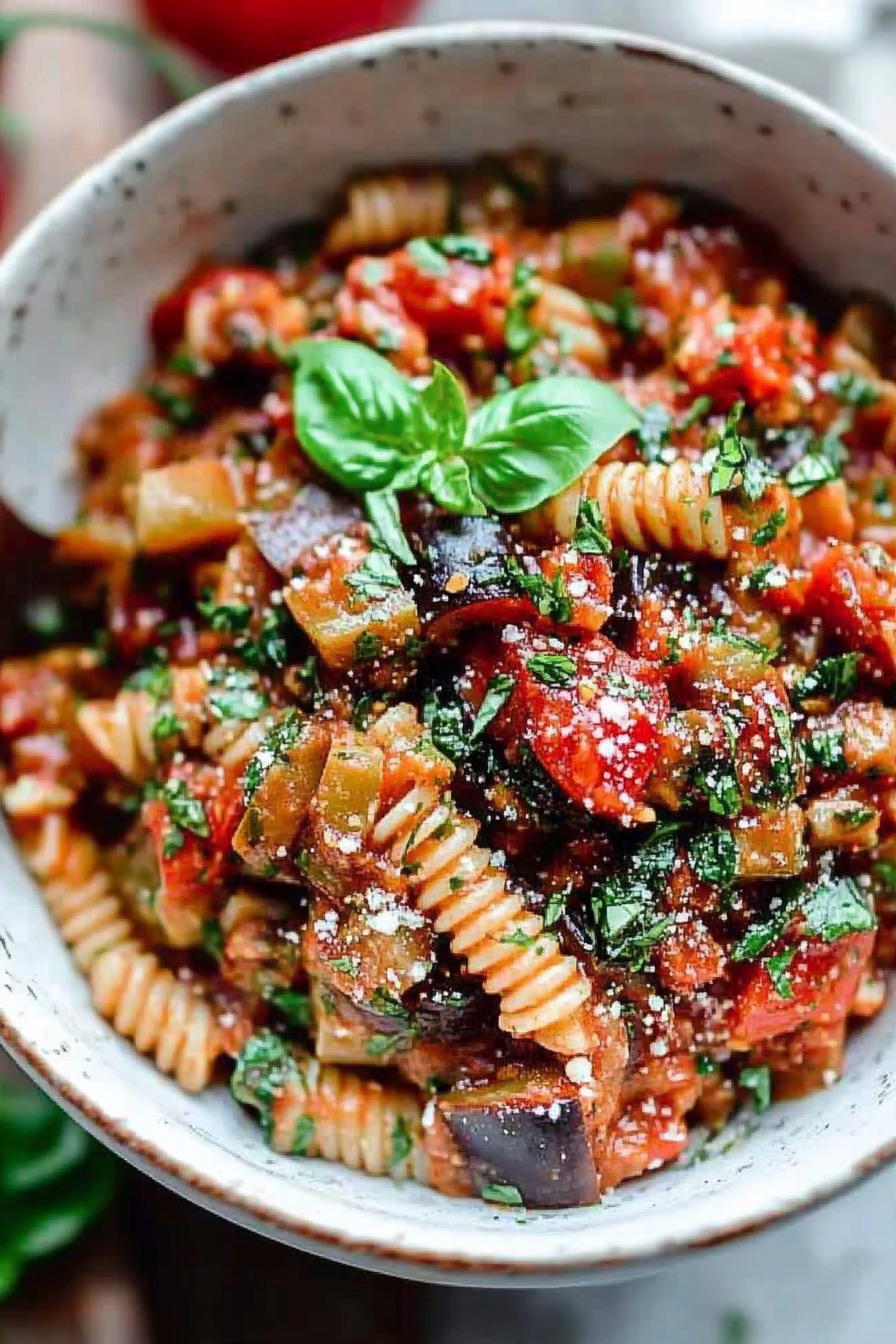
Think of eggplant bolognese as a glorious, vibrant cousin to the traditional Italian Meat Sauce, but with a star ingredient that truly shines: eggplant! It’s essentially a rich, slow-simmered tomato-based sauce, deeply infused with aromatics like onion, carrot, and celery, but where ground meat would typically be, we’re using finely diced or crumbled eggplant. When cooked down properly, eggplant softens and absorbs all those incredible flavors, developing a wonderfully savory, almost umami richness that mimics the texture and heartiness of meat. It’s not trying to be a replica, but rather a delicious celebration of what vegetables can bring to the table. It’s essentially a hug in a bowl, perfect for tossing with your favorite pasta, or even layering into a lasagna. It’s a concept that’s both familiar and wonderfully fresh.
Why you’ll love this recipe?
Oh, where do I even begin? This isn’t just a recipe; it’s a culinary revelation that’ll quickly become a staple in your kitchen, I promise you. What I love most about this eggplant bolognese is its sheer versatility and incredible depth of flavor. If you’re like me, constantly looking for ways to sneak in more vegetables without sacrificing deliciousness, this is your golden ticket. It’s got everything you crave in a classic Bolognese – that slow-cooked richness, the layers of savory goodness – but it’s lighter and brimming with the goodness of eggplant.
- Flavor that Sings: What is the flavor that sings? The eggplant, when diced small and allowed to caramelize a bit, develops this incredible savory depth. It soaks up the tomato, garlic, and herbs like a sponge, creating a sauce that’s bursting with robust, complex flavors. Honestly, it’s so satisfying, sometimes you forget there isn’t any meat!
- Surprising Simplicity: What is the best way to describe Simplicity? Don’t let the “slow-simmered” part fool you. The active cooking time for this eggplant bolognese is actually quite manageable. Once you get everything in the pot, it’s mostly hands-off simmering, filling your kitchen with the most amazing aromas. This one’s a lifesaver on busy nights when you want something impressive but not fussy.
- Budget-Friendly Goodness: Let’s be real, quality meat can be pricey. Eggplant, on the other hand, is usually quite affordable, especially when it’s in season. This recipe makes a generous batch, meaning you get fantastic flavor without breaking the bank. My wallet (and stomach!) always thank me for making this.
- Oh-So-Versatile: While it’s absolutely divine with pasta, don’t stop there! This eggplant bolognese is fantastic over creamy polenta, spooned into baked potatoes, as a topping for bruschetta, or even layered into a vegetarian lasagna or moussaka. We often have leftovers that turn into a completely different meal the next day, which is always a win in my book!
This recipe stands out because it takes a beloved classic and gives it a healthy, yet equally satisfying, spin. It’s perfect for when you’re craving something hearty and comforting but want to load up on vegetables. Trust me, you’ll be making this eggplant bolognese again and again.
How to Make Eggplant Bolognese
Quick Overview
Making this eggplant bolognese is truly a labor of love, but the kind where the love part far outweighs the labor! The process is essentially about building layers of flavor, starting with getting that gorgeous eggplant nice and tender, then creating a beautiful aromatic base, and finally letting everything simmer together until it’s a rich, harmonious symphony. It might sound like a lot of steps, but it’s actually incredibly straightforward. You’re mostly just chopping, stirring, and then letting time do its magic. This method ensures every bit of the eggplant bolognese is deeply flavored and perfectly textured, making it so much more than just a vegetable sauce – it’s a meal in itself!
Ingredients
For the Aromatics & Vegetables:
- 2 medium eggplants (about 2 lbs total): Look for firm, shiny eggplants without blemishes. I usually go for globe eggplants for this.
- 1 large yellow onion: Finely diced. This is the sweet backbone of our sauce.
- 2 carrots: Peeled and finely diced. Adds sweetness and color.
- 2 celery stalks: Finely diced. Essential for the classic soffritto base.
- 4-5 cloves garlic: Minced. Don’t skimp here; garlic is our friend!
- 1 tablespoon olive oil (plus more for cooking eggplant): A good quality extra virgin olive oil really makes a difference.
- Salt and freshly ground Black Pepper: To season every layer.
For the Sauce Base:
- 1 (28-ounce) can crushed tomatoes: My go-to for a smooth, rich sauce. San Marzano if you can get them!
- 1 (14.5-ounce) can diced tomatoes: For a bit of texture.
- 1/2 cup dry Red Wine (like Merlot or Cabernet Sauvignon): This adds incredible depth and complexity. Don’t worry, the alcohol cooks out!
- 1/2 cup vegetable broth (or water): To thin the sauce slightly and add more liquid for simmering.
- 2 tablespoons tomato paste: For concentrated tomato flavor and richness.
- 1 teaspoon dried oregano: Classic Italian herb.
- 1/2 teaspoon dried basil: Another must-have for Italian sauces.
- Pinch of red pepper flakes (optional): If you like a little warmth, this is lovely.
- 1 bay leaf: For that subtle, savory background note.
For Serving & Finishing:
- Your favorite pasta: Pappardelle, tagliatelle, or even a rigatoni works beautifully to catch all that sauce.
- Freshly grated Parmesan cheese (or nutritional yeast for vegan): A generous sprinkle is always welcome.
- Fresh basil or parsley: For a pop of color and freshness at the end.
Step-by-Step Instructions
Step 1: Prep the Eggplant
This is my secret weapon for the best eggplant bolognese! First, dice your eggplants into small, uniform ½-inch cubes. You can peel them if you like, but I usually leave the skin on for extra fiber and texture. Place the diced eggplant in a colander, sprinkle generously with about 1 teaspoon of salt, and toss. Let it sit for at least 30 minutes, or even an hour. This step draws out excess moisture and bitterness, preventing your eggplant from getting soggy and ensuring it fries up beautifully. After its rest, firmly press the eggplant with paper towels to squeeze out as much liquid as possible. Trust me, this makes all the difference!
Step 2: Sauté the Aromatics
In a large, heavy-bottomed pot or Dutch Oven (I swear by my enamel Dutch oven for this!), heat about 1 tablespoon of olive oil over medium heat. Add your finely diced onion, carrots, and celery. This trio, known as a soffritto, is the flavor foundation for almost any great Italian sauce. Cook, stirring occasionally, until the vegetables soften and become translucent, about 8-10 minutes. Don’t rush this part; developing that sweet base is key. Then, stir in the minced garlic and cook for another minute until fragrant, being careful not to let it burn.
Step 3: Brown the Eggplant
Push the sautéed aromatics to one side of the pot. Add a little more olive oil to the empty side, then add your prepped and dried eggplant. Spread it out as much as possible in a single layer. Cook the eggplant, stirring only occasionally, until it starts to brown and caramelize, about 8-12 minutes. This browning adds an incredible depth of flavor and a lovely “meatiness” to our eggplant bolognese. Once browned, stir the eggplant into the aromatics.
Step 4: Build the Sauce
Now for the liquids! Stir in the tomato paste and cook for 1-2 minutes, stirring constantly, until it darkens slightly. This step deepens the tomato flavor immensely. Then, pour in the red wine, scraping up any delicious browned bits from the bottom of the pot. Let the wine simmer and reduce by about half, which should take 3-5 minutes. The smell alone is intoxicating! Add the crushed tomatoes, diced tomatoes, vegetable broth, dried oregano, dried basil, and bay leaf. If you like a little kick, now’s the time for those red pepper flakes.
Step 5: Simmer to Perfection
Bring the sauce to a gentle simmer, then reduce the heat to low, cover the pot partially (leaving a small gap for steam to escape), and let it cook. This is where the magic happens! Simmer for at least 45 minutes to an hour, or even longer if you have the time. The longer it simmers, the more the flavors meld and the sauce thickens. I always stir it every 15-20 minutes, giving it a little taste and adjusting salt and pepper as needed. You want the eggplant to be incredibly tender and practically melting into the sauce, giving you that rich, hearty consistency.
Step 6: Cook the Pasta
About 10-15 minutes before your sauce is ready, bring a large pot of salted water to a rolling boil. Add your chosen pasta and cook according to package directions until al dente. Reserve about ½ cup of the starchy pasta water before draining the rest. This starchy water is gold for finishing your sauce!
Step 7: Combine & Serve
Drain your pasta and immediately add it to the pot with your eggplant bolognese sauce. Toss everything together, adding a splash or two of that reserved pasta water if needed to loosen the sauce and help it cling beautifully to the pasta. Serve hot, with a generous sprinkle of freshly grated Parmesan cheese (or nutritional yeast for a vegan option) and a scattering of fresh basil or parsley. My kids actually ask for seconds when this is on the table!

What to Serve It With
This eggplant bolognese is so wonderfully satisfying that it truly shines as the star of the meal, but it also plays incredibly well with others! Here are some of my favorite ways to enjoy it, depending on the vibe I’m going for:
As a Hearty Main:
Honestly, tossed with a good quality pasta – think pappardelle or tagliatelle to really grab all that rich sauce – it’s perfection. A simple side salad with a tangy vinaigrette is all you need to complete the meal. Sometimes, I’ll even serve it over creamy polenta, which transforms it into an even more decadent and comforting dish, especially on a chilly evening. It’s a fantastic alternative to traditional meat sauces, offering a deeply satisfying experience that makes it a complete meal on its own. For a light dinner, I’ve even served it in lettuce cups!
With Complementary Sides:
If you’re looking to round out the meal a bit more, some crusty artisan bread is an absolute must for soaking up every last drop of that incredible sauce. My family loves to dip it in. A simple green salad with a light lemon vinaigrette offers a refreshing contrast to the richness of the bolognese. Roasted vegetables, like asparagus or broccoli, tossed with a little garlic and olive oil, also make a lovely accompaniment, adding even more veggie goodness. This is perfect when you’re hosting friends and want a meal that feels special but isn’t overly complicated.
For Leftovers & Creative Twists:
Don’t even get me started on the leftovers! This eggplant bolognese somehow tastes even better the next day. It’s fantastic for lunch, simply reheated. But don’t be afraid to get creative! I’ve used it as a filling for stuffed bell peppers, layered it into a quick, no-boil lasagna with ricotta and mozzarella, or even spread it on toasted sourdough with a sprinkle of cheese for an amazing open-faced sandwich. It’s also delicious spooned over baked potatoes. My kids actually ask for this all the time after school, and I love that it’s packed with so many good things!

Top Tips for Perfecting Your Eggplant Bolognese
I’ve made this eggplant bolognese countless times, and through trial and error (and a few burnt garlic incidents, oops!), I’ve gathered some wisdom that I absolutely have to share. These little tweaks really elevate the dish from good to utterly phenomenal:
- Eggplant Prep is Paramount: This is probably the most crucial step. Don’t skip salting the eggplant! It’s truly a game-changer. It draws out excess water, which prevents your bolognese from being watery, and also reduces any potential bitterness. After salting, squeeze out as much liquid as you possibly can with paper towels. You want the eggplant to be relatively dry before it hits the pan, so it browns beautifully instead of steaming. This browning is what gives it that deep, savory “meatiness” that’s so essential to a good bolognese.
- Build Layers of Flavor: A truly great sauce isn’t just about throwing ingredients into a pot. Start with a good quality olive oil, take your time with the soffritto (onions, carrots, celery) – let them soften and sweeten slowly. Cook the tomato paste until it darkens; this intensifies its flavor. Don’t rush the wine reduction either; letting it cook down concentrates its complexity. Each step contributes to the final, rich tapestry of flavor in your eggplant bolognese.
- Patience with the Simmer: While you can technically eat this after 30 minutes, the magic really happens with a longer simmer. Aim for at least 45-60 minutes, or even 1.5-2 hours if you have the time. The longer it simmers, the more the flavors meld, the eggplant practically melts, and the sauce develops a beautiful, rich texture. I’ve learned that patience truly yields the best results here.
- Ingredient Swaps & Customization:
- Wine: If you don’t cook with wine, no problem! Simply replace it with an equal amount of vegetable broth and perhaps a splash of balsamic vinegar for a touch of acidity and depth.
- Spicy Kick: If you’re a fan of heat, a pinch more red pepper flakes goes a long way. I always do this when I’m craving something with a bit more zing!
- Herbs: Feel free to play with fresh herbs at the end. A handful of fresh oregano or marjoram, in addition to basil, can add lovely nuances.
- Umami Boost: A secret tip I learned from a friend – a tiny dash of soy sauce or mushroom powder can give this an extra umami punch without altering the flavor profile significantly. I tested this with a teaspoon of mushroom powder, and it actually made it even richer!
- Finishing Touches Matter: Don’t underestimate the power of finishing your eggplant bolognese with fresh ingredients. A generous handful of fresh basil or parsley, a good drizzle of extra virgin olive oil, and a shower of freshly grated Parmesan (or a vegan alternative) right before serving really brighten everything up and add a lovely aromatic lift. And that reserved pasta water? It’s your best friend for getting the sauce to cling perfectly to the pasta.
These are the little things that, for me, transform a good meal into an unforgettable one. Trust me on this one, you’ll thank yourself for taking the extra few minutes!

Storing and Reheating Tips
One of the best things about this eggplant bolognese (besides its amazing taste, of course!) is how wonderfully it stores. It’s perfect for meal prep, and often, the flavors deepen even further the next day. It’s a huge bonus for busy weeks!
Room Temperature:
Once cooled, you can leave it out at room temperature for up to 2 hours. Any longer than that and you really should get it into the fridge to maintain freshness and prevent spoilage. I usually let it cool down in the pot on the stove, uncovered, before transferring it.
Refrigerator Storage:
This eggplant bolognese is a superstar in the fridge! Once completely cooled, transfer it to an airtight container. It will keep beautifully for 4-5 days. This makes it ideal for meal prepping lunches or having a quick dinner ready to go. I always make a double batch for this reason – it disappears in minutes at my house!
Freezer Instructions:
This recipe freezes like a dream, which is perfect for future cravings! Once completely cool, transfer the sauce (without pasta) to freezer-safe bags or containers. Label with the date. It will maintain its excellent quality for up to 3 months. To thaw, simply transfer it to the refrigerator overnight, or you can gently reheat it from frozen in a pot over low heat, stirring occasionally, adding a splash of water or broth if it’s too thick. I find that if you freeze it in individual portions, it’s perfect when you’re craving something hearty but don’t want to cook a whole meal.
Reheating Advice:
Whether from the fridge or freezer (after thawing), the best way to reheat is gently on the stovetop over medium-low heat. Add a splash of water or vegetable broth to loosen the sauce if it’s become too thick. Stir frequently to ensure even heating. If you’re reheating pasta that’s already mixed with the bolognese, sometimes adding a tiny bit of water and stirring constantly can prevent it from drying out. Avoid microwaving for long periods, as it can sometimes make the pasta rubbery; short bursts, stirring in between, works best if you’re in a hurry.

Frequently Asked Questions
Final Thoughts
And there you have it, my dear friend – my absolute favorite eggplant bolognese! This isn’t just a recipe; it’s a labor of love that always fills my kitchen with the most incredible aromas and my family’s tummies with pure joy. There’s something so deeply satisfying about transforming humble vegetables into such a rich, complex, and hearty meal. It’s proof that comfort food doesn’t have to involve a lot of fuss or meat to be truly spectacular. This dish has brought so many smiles to our dinner table, and I can’t wait for it to do the same for yours. If you’ve enjoyed this and are looking for more veggie-packed comfort, you might also love my creamy mushroom stroganoff or my lentil shepherd’s pie. Happy cooking, and please, please let me know how your eggplant bolognese turns out in the comments below! I’d love to hear about your own little tweaks and serving suggestions.


eggplant bolognese
Ingredients
Main Ingredients
- 1.5 lbs Eggplant diced into 0.5-inch cubes
- 2 tablespoons Olive Oil
- 1 medium Yellow Onion chopped
- 1 medium Carrot chopped
- 1 stalk Celery chopped
- 4 cloves Garlic minced
- 28 ounces Canned Crushed Tomatoes
- 2 tablespoons Tomato Paste
- 0.5 cup Vegetable Broth
- 0.5 cup Red Wine dry (optional, or use more broth)
- 1 teaspoon Dried Oregano
- 1 teaspoon Dried Basil
- 1 Bay Leaf
- 0.75 teaspoon Salt or to taste
- 0.25 teaspoon Black Pepper freshly ground, or to taste
- 0.25 cup Fresh Parsley chopped, for garnish
- 0.5 cup Parmesan Cheese grated, for serving (optional)
- 1 lb Pasta such as spaghetti, penne, or rigatoni, for serving
Instructions
Preparation Steps
- Prepare the eggplant: Dice the eggplant into 0.5-inch cubes. Place in a colander, sprinkle generously with 0.5 teaspoon of salt, and let sit for 15-20 minutes to draw out moisture. Press gently to release excess liquid, then pat very dry with paper towels.
- Sauté aromatics: Heat olive oil in a large heavy-bottomed pot or Dutch oven over medium heat. Add the chopped onion, carrot, and celery. Sauté for 7-10 minutes, until softened.
- Cook eggplant and garlic: Add the minced garlic and dried eggplant cubes to the pot. Increase heat slightly and cook for 8-10 minutes, stirring occasionally, until the eggplant is tender and lightly browned. It will absorb the oil and then release it as it cooks.
- Build the sauce base: Stir in the tomato paste and cook for 1 minute, stirring constantly. If using, pour in the red wine and scrape up any browned bits from the bottom of the pot. Let it simmer until almost completely evaporated (about 2-3 minutes).
- Simmer the bolognese: Add the crushed tomatoes, vegetable broth, dried oregano, dried basil, and bay leaf to the pot. Bring to a gentle simmer, then reduce heat to low, cover, and let it cook for at least 45-60 minutes, or longer for a richer flavor, stirring occasionally. The sauce should thicken and the flavors meld.
- Finish and serve: Remove the bay leaf. Season the bolognese with the remaining 0.25 teaspoon salt and black pepper to taste. Meanwhile, cook your pasta according to package directions. Serve the eggplant bolognese hot over cooked pasta, garnished with fresh chopped parsley and grated Parmesan cheese, if desired.