

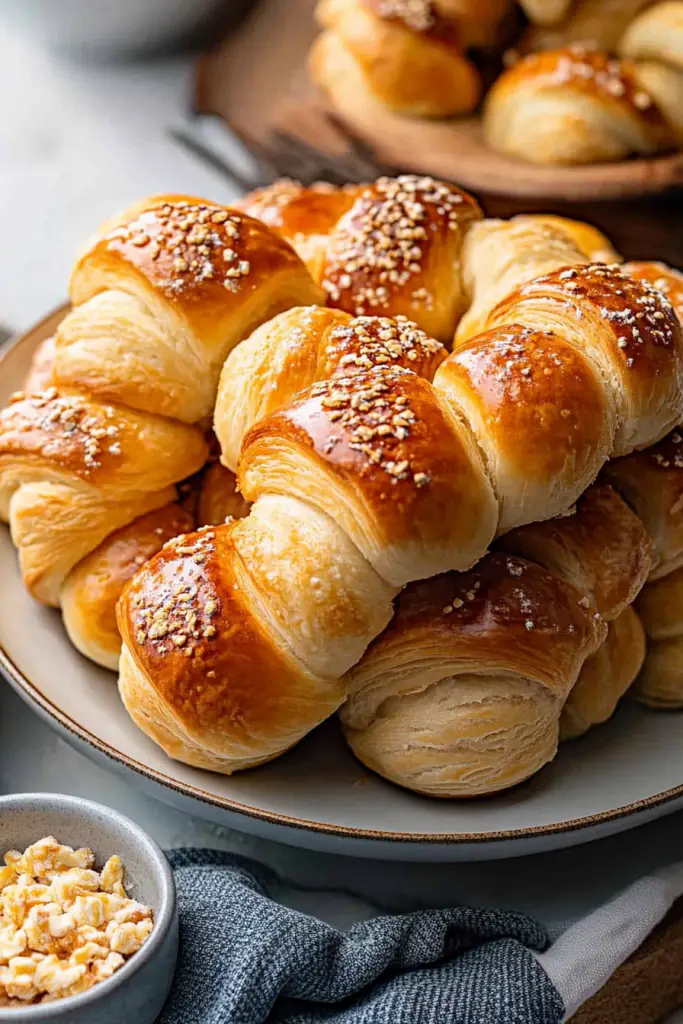
There’s nothing quite like the smell of freshly baked kiflice pastries wafting through the house on a lazy Sunday morning. I remember the first time my grandma handed me a warm kiflica, its flaky golden crust giving way to a soft, buttery interior filled with a sweet walnut filling that practically melted in my mouth. Kiflice pastries aren’t just any pastry—they carry generations of love and tradition, and somehow manage to capture that cozy feeling of home in every bite. If you’re familiar with croissants or rugelach, kiflice pastries feel like their more intimate, friendlier cousin—less fussy, infinitely comforting, and perfect for dunking into coffee or tea without guilt. I’ve made these countless times for family get-togethers and trust me—the way they disappear is nothing short of magical. Whether you need a quick snack or want to impress guests with something from the heart, kiflice are your secret weapon.
What is Kiflice Pastries?
Think of kiflice pastries as delightful little crescent rolls that balance crispness and softness in the most charming way. The word “kiflice” actually means “little horns” in Serbian and several Balkan languages—named for their crescent shape. It’s essentially a rolled dough that’s buttery, slightly flaky, and usually filled with sweet or savory fillings. These pastries trace their roots back to Central and Eastern Europe, often found around holiday tables and weekend brunches alike. What makes these pastries comforting isn’t just their shape, but the tenderness and the nostalgic flavors packed inside. You can find kiflice with simple fillings like plum jam, walnuts, or even cheese, and each variation has its own magic. If you’re new to baking pastries, kiflice are incredibly approachable, and honestly, who doesn’t need a few buttery rolls that feel fancy but keep things fuss-free?
Why you’ll love this recipe?
What I adore most about kiflice pastries is how they hit the sweet spot between simplicity and indulgence. First off, the flavor is subtly irresistible—the buttery dough pairs beautifully with the sweet nutty fillings, creating a nostalgic yet elegant taste that never gets old. They smell heavenly while baking, filling your kitchen with a warm, inviting aroma that makes waiting a challenge. I always get a little giddy when mine queue up around the kitchen asking for seconds—it’s that good.
Now, for the practical stuff: this recipe is surprisingly easy to pull off. You don’t need special equipment, and the ingredients are affordable pantry staples, which makes this a lifesaver on busy nights or when you want to whip up something special without a trip to the gourmet store. Once you’ve made kiflice a few times, you’ll find the rhythm in rolling the dough and layering in the filling—it’s almost meditative.
I also love how versatile kiflice pastries are. While the classic walnut filling has a loyal fan base (hello, my family), I often swap in poppy seeds, apricot jam, or even savory options like cheese and herbs when I’m feeling adventurous. They’re fantastic for breakfast alongside your morning coffee, but also fabulous as a snack or even a light dessert when paired with fresh fruit or a drizzle of honey. If you’ve ever loved croissants or rugelach, kiflice bring a homey, easier-to-master flair that will make you want to bake again and again.
How do I make kiflice pastries?
Quick Overview
Making kiflice pastries is a bit like putting together the perfect little edible hug. The dough is buttery, tender, and quick to come together without needing hours to rise or complicated steps. Once you mix the dough, roll it out thin, spread your filling, and cut it into triangles for that iconic horn shape, you’re almost there. Baking is the easiest part—the oven turns those soft rolls into golden parcels that entice with every glance.
Ingredients
For the Dough:
- I always sift my flour for extra lightness. I use 2 12 cups all-purpose flour.
- 1 cup unsalted butter, cold and cubed – the cold butter creates that flaky texture
- ½ cup sour cream – adds tang and tenderness
- 1 tablespoon sugar – just enough to balance the dough’s richness
- Pinch of salt – enhances all the flavors
- 1 teaspoon vanilla extract (optional) – a little warmth for the dough
For the Filling:
- 1 cup ground walnuts – fresh-ground really makes a flavor difference
- ½ cup sugar – adjust to taste, I like it sweet but not overpowering
- 1 teaspoon cinnamon – optional, but it adds a lovely cozy note
- 2 tablespoons melted butter – helps the filling stick and adds richness
- Optional: a splash of rum or vanilla for a grown-up twist
For the Glaze:
- 1 egg yolk beaten with a tablespoon of water – creates a shiny, golden finish
- Optional: powdered sugar for dusting after baking
Step-by-Step Instructions
Step 1: Preheat & Prep Pan
Start by preheating your oven to 375°F (190°C). Line a baking sheet with parchment paper or lightly grease it. I always use parchment—it keeps the bottoms nice and soft without sticking and cleans up in a snap. While the oven warms, it’s a great time to get your ingredients out and ready.
Step 2: Mix Dry Ingredients
In a large bowl, sift together the flour, sugar, and salt. Sifting helps keep the dough tender and makes mixing everything a breeze. Give it a quick whisk just to combine evenly. This step is worth taking your time with because evenly mixed flour and salt help create a uniform dough texture.
Step 3: Mix Wet Ingredients
Add your cold, cubed butter to the flour mixture. I like to use my fingertips or a pastry cutter to blend the butter into the flour until it resembles coarse crumbs with pea-sized bits. Then stir in the sour cream and vanilla until the dough just starts to come together. It will be slightly sticky but not wet. If it feels too dry, a teaspoon of cold water can help, but be sparing to keep that buttery flakiness.
Step 4: Combine
Gather the dough into a ball, wrap it in plastic wrap, and refrigerate for about 30 minutes. This little rest firms the butter and lets the dough hydrate, making it easier to roll—and trust me, rolling warm dough can be a nightmare. If you skip chilling, your kiflice may turn out dense or greasy.
Step 5: Prepare Filling
While the dough chills, mix your walnuts, sugar, cinnamon, melted butter, and optional flavorings in a bowl. The filling should be moist enough to spread but not runny. If it’s too dry, a few more tablespoons of melted butter will do the trick—your fillings can be forgiving. Give it a taste here—I often adjust sugar or add cinnamon depending on my mood.
Step 6: Layer & Slice
Roll your dough onto a lightly floured surface into a large circle about ⅛ inch thick (thin but not paper-thin). Using a sharp knife or pizza cutter, slice the dough into 12-16 even triangles like you would a cake. Take each triangle, spread a thin line of your walnut filling along the wide end, and roll it up gently but snugly toward the point, forming that classic crescent or “horn.” If your dough warms too much while rolling, pop it back in the fridge briefly—it’s worth the wait.
Step 7: Bake
Place your rolled kiflice on the baking sheet with some space between them. Brush each with the egg yolk glaze to get that beautiful golden sheen. Bake for about 20-25 minutes or until golden brown and lightly puffed. Every oven’s a bit different, so keep an eye on them after 20 minutes. They should feel firm but still tender.
Step 8: Cool & Glaze
Let your kiflice cool on a rack for at least 10 minutes before dusting with powdered sugar if you like a little extra sweetness and prettiness. The warm glaze and sugar dusting always make my family’s eyes light up—it’s like unveiling edible jewels!
Step 9: Slice & Serve
Serve these beauties slightly warm or at room temperature. I recommend a big cup of tea or coffee on the side. For gatherings, arrange them on a pretty platter—it’s amazing how quickly they disappear (sometimes before everyone has a chance to say “kiflice!”).
What to Serve It With
For Breakfast: These pastries pair wonderfully with a strong black coffee or a creamy latte. I love setting a simple breakfast table with them alongside fresh fruit and thick yogurt—kids especially love breaking them up and dunking into the coffee (no judgment!).
For Brunch: Arrange kiflice with a cheese platter, olives, and fresh herbs for a lovely Eastern European-inspired spread. Serve with sparkling water or light white wine, and you’ve got effortless elegance on your hands.
As Dessert: A drizzle of honey or a side of spiced compote (like plum or apple) turns kiflice into a light but satisfying dessert that won’t leave you too full. I’ve brought these to dinner parties with a dusting of cinnamon sugar and they’re always a hit.
For Cozy Snacks: When the afternoon slump hits, these pastries with a cup of hot chocolate or a cinnamon tea are pure comfort. On busy days, I stash a few in the fridge for quick bites—my kids ask for these nonstop after school.
My family has a tradition of sharing kiflice around the holidays, often paired with homemade jam or a little cream cheese. The way everyone gathers around the kitchen table, passing plates and stories, is what makes this recipe truly special to me.
Top Tips for Perfecting Your Kiflice Pastries
Dough Prep: Keeping your butter cold is key. I learned the hard way once after a sunny kitchen afternoon that the butter can melt too quickly, making the dough greasy and tough. Work quickly or chill the dough if your kitchen is warm.
Mixing Advice: Resist the urge to overwork the dough. The moment it comes together is the moment to stop. Overmixing develops gluten, leading to tougher pastries that don’t flake as well. I always let the dough rest—it relaxes the gluten and makes rolling so much smoother.
Filling Swirl: Don’t overload the filling; it should be just enough to flavor without weighing down the delicate dough. When rolling, tuck the filling neatly to avoid spills but keep it generous enough to taste in every bite. Experiment with patterns—some people like to swirl a bit of jam in for a marbled effect, which looks stunning.
Ingredient Swaps: I tested this recipe swapping sour cream for Greek yogurt—works beautifully and adds a tangy brightness! For a dairy-free version, try coconut cream but expect a slightly different texture. You can replace ground walnuts with ground almonds or hazelnuts for variety; each nut brings its own lovely twist.
Baking Tips: Use your middle rack for even heat and check the pastries a few minutes early the first time you bake. If your oven runs hot, lower the temperature to 350°F and bake a bit longer to avoid burnt edges but tender centers. Let them cool properly on a rack to prevent sogginess on the bottoms.
Glaze Variations: Besides the classic egg wash, for an extra shiny top, brush with a sugar water glaze right after baking. I also love dusting them with powdered sugar mixed with a little cinnamon for festive occasions. For a richer finish, swap egg yolk glaze with melted butter after baking, and then sprinkle a pinch of coarse sugar before serving.
Storing and Reheating Tips
Room Temperature: Store kiflice in an airtight container or covered plate for up to 2 days. They remain soft if protected well from air, and I usually cover them with a clean towel for a few hours before sealing.
Refrigerator Storage: If you want to keep them longer (3-4 days), refrigerate in an airtight container. Just be sure to warm them slightly in a toaster oven or microwave before serving to revive that fresh-baked feeling.
Freezer Instructions: Kiflice freeze beautifully! Place them in a single layer on a baking sheet to freeze individually, then transfer to a freezer-safe bag for up to 3 months. Thaw at room temperature and warm briefly in the oven for best texture.
Glaze Timing Advice: If you’re freezing or storing long term, skip glazing before baking. Do the egg wash before baking frozen atau freshly prepared pastries, and add powdered sugar dusting just prior to serving for that fresh look.
Frequently Asked Questions
Final Thoughts
I can’t say enough about kiflice pastries—these humble little crescent rolls have become a deep-rooted favorite in my kitchen. They’re one of those recipes that wrap you in warmth, nostalgia, and buttery goodness all at once. From the way they smell baking to the way they taste sharing a quiet moment with family or friends, kiflice bring a slice of comfort that’s simply unmatched. If you love this recipe, you should definitely try pairing them with other classic Eastern European treats like palacinke or strudel to keep the celebration of flavors going. I’m always excited to hear how your batches turn out and what fillings you experiment with—don’t be shy about sharing your tweaks or photos! Happy baking, friend!


kiflice pastries
Ingredients
Main Ingredients
- 2.06 tbsp active dry yeast
- 1 tbsp sugar
- 0.85 cup warm water
- 6 cups all purpose flour
- 1.06 cup warm milk
- 0.53 cup vegetable oil
- 1 tsp salt
- 3 whole eggs
- 0.5 cup butter softened
- 1 cup feta cheese crumbled
- 1 cup ricotta cheese
- 2 whole eggs for egg wash
- 1 tbsp water for egg wash
- 0.05 cup sesame seeds
Instructions
Preparation Steps
- Activate the yeast by combining active dry yeast, sugar, and warm water in a bowl. Let it sit in a warm place until foamy, about 15 to 20 minutes.
- In a large mixing bowl, add the flour. Create a well in the center and pour in warm milk, vegetable oil, salt, and eggs. Do not mix yet.
- Pour the activated yeast mixture into the flour mixture. Stir with a large spoon until combined.
- Knead the dough by hand or with a stand mixer using dough hook for 2 to 3 minutes until dough pulls away from the bowl. Adjust moisture with milk or flour as necessary until the dough is smooth and slightly sticky.
- Lightly grease a large bowl with cooking spray and sprinkle flour to prevent sticking. Place the dough in the bowl, fold into a ball and sprinkle some flour on top.
- Cover the bowl with plastic wrap and let the dough rise in a warm place for 30 minutes until slightly puffy.
- Prepare the filling by combining crumbled feta and ricotta cheese in a bowl. Set aside.
- Preheat the oven to 400°F.
- Divide the risen dough into 16 equal portions and shape each into small balls. Keep covered to prevent drying.
- Roll out each ball into a medium-sized circle on a floured surface.
- Cut each circle into 8 slices like a pizza. Place about 0.5 to 1 tablespoon of cheese filling on the wide end of each slice.
- Roll each slice starting from the wide end, tucking sides over the filling and rolling toward the narrow end to form the kiflice shape.
- Arrange the rolls on a baking sheet and place a small pat of butter on each. Bake for 5 minutes at 400°F.
- Meanwhile, whisk the remaining eggs and water for the egg wash. Remove rolls from the oven and brush with egg wash, sprinkle sesame seeds over the top, then return to bake for an additional 12 minutes or until golden brown.
- Transfer baked kiflice to a wire rack and optionally brush with additional butter while warm. Serve fresh or store for several days.